

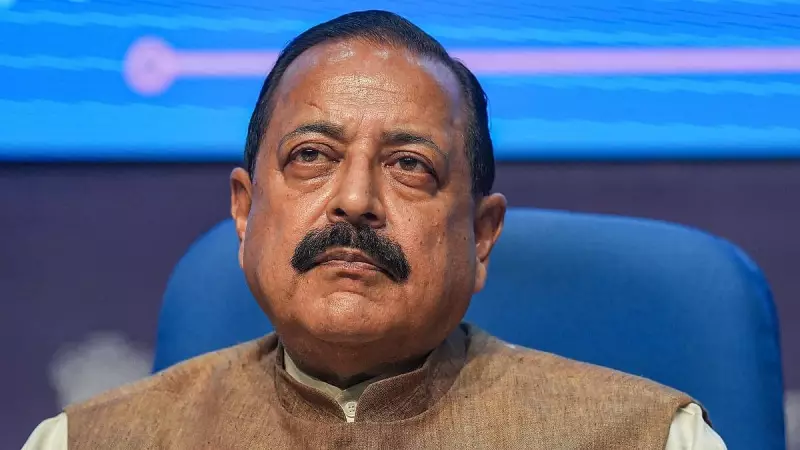
Union Minister of State for Personnel, Public Grievances and Pensions, Dr. Jitendra Singh, has made a significant statement regarding India's linguistic diversity. He asserted that while the growth and promotion of Hindi is important, it should not come at the expense of other Indian languages.
A Decade of Change in Language Use
Speaking on the matter, Singh highlighted a notable transformation that has taken place within government institutions. He stated that there has been a visible change in the language ecosystem over the past ten years. This observation points to an evolving approach in how languages are utilized and prioritized in official communication and administration across the country.
Balancing Promotion with Preservation
The minister's comments underscore a critical balance that policymakers aim to strike. The push for Hindi, often seen as a link language, must be carefully managed to ensure it does not marginalize or diminish the rich tapestry of regional languages that form an integral part of India's cultural identity. This perspective aligns with the constitutional framework that recognizes multiple languages.

Singh's remarks, made public on December 1, 2025, serve as a reminder of the nation's multilingual character. The statement implicitly addresses concerns that sometimes arise from various quarters about the potential dominance of one language over others in official spheres.
The Road Ahead for Linguistic Harmony
The call for equitable growth suggests a future policy direction where language development is inclusive. It implies that government efforts will focus on fostering Hindi's role as a communicative tool while simultaneously protecting and promoting the vibrancy of all Indian languages. This approach is seen as essential for maintaining national unity and respecting regional pride.
In essence, the minister's message champions a pluralistic vision for India's linguistic landscape. It reinforces the idea that the country's strength lies in its diversity, and its administrative machinery must reflect this principle in its language policies and practices.






