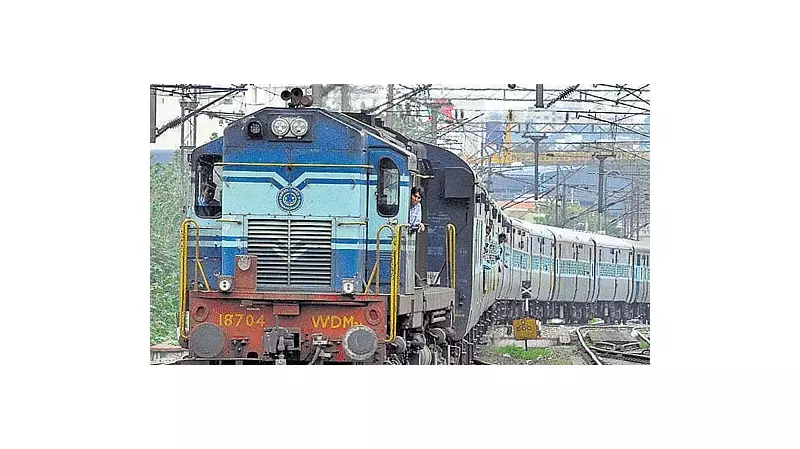
In a significant move to enhance security and curb fraudulent activities, Indian Railways has announced a major change in its Tatkal ticket booking process. Starting December 1, 2024, passengers will be required to undergo a One-Time Password (OTP) verification to confirm their bookings made under the Tatkal scheme.
New Security Layer for High-Demand Tickets
The decision, communicated through an official circular from the Railway Board, mandates that the mobile number used during the booking process on the IRCTC platform or at reservation counters must be verified via OTP. This new rule is specifically targeted at the Tatkal quota, which is known for its high demand and susceptibility to misuse by touts and automated bots.
The core objective is to ensure that genuine passengers get access to these last-minute tickets. The OTP verification will act as a critical checkpoint, making it substantially harder for unauthorized software or agents to block seats in bulk. The railway authorities believe this step will level the playing field for all travelers.

How the New OTP Verification Process Will Work
The implementation of this rule will be straightforward but firm. When a passenger attempts to book a Tatkal ticket, either online via the IRCTC website/app or through an authorized railway ticket counter, the system will trigger an OTP to the mobile number provided in the passenger details.
The booking will only be finalized once this OTP is successfully entered and validated. Failure to verify within the stipulated time will result in the cancellation of the booking attempt, and the ticket will be released back into the pool for other passengers. This process mirrors the security checks commonly used in financial transactions and other sensitive online activities.
It is crucial for passengers to ensure that the correct and accessible mobile number is linked to their IRCTC account or provided at the counter. Any discrepancy could lead to a failed booking attempt, especially during the short and competitive Tatkal booking window.
Impact on Passengers and the Fight Against Touts
This policy shift is expected to have a wide-ranging impact. For the average traveler, it adds an extra step but promises a fairer chance at securing a ticket during peak travel seasons. The railways have faced persistent complaints about tickets getting sold out within seconds of the Tatkal window opening, often due to automated scripts employed by unauthorized agents.
By tying each booking attempt to a unique mobile number and a real-time human verification step, the new system aims to dismantle these automated booking mechanisms. This is seen as a direct measure to protect consumer interests and improve the transparency of the reservation system.
The December 1 start date gives passengers and ticket agents a clear timeline to adapt to the new procedure. Railway officials have indicated that this is part of a broader, ongoing effort to modernize ticketing systems and incorporate robust cybersecurity measures to serve passengers better.
While the primary focus is on Tatkal bookings, this successful implementation could pave the way for similar security features in other booking quotas in the future. The move underscores Indian Railways' commitment to leveraging technology not just for convenience but also for ensuring equity and security in its massive ticketing operations.