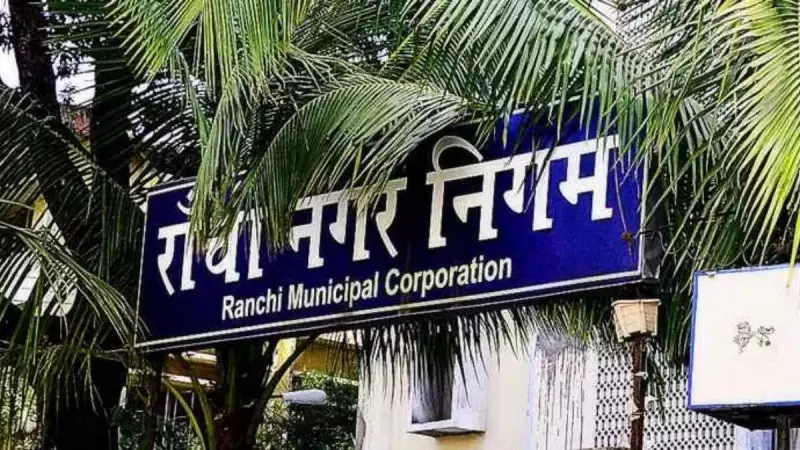
Ranchi Municipal Corporation Strengthens Sanitation Enforcement with On-Spot Fines
The Ranchi Municipal Corporation (RMC) has significantly intensified its enforcement drives across the city to combat open urination and other sanitation violations. This initiative is framed not as a symbolic campaign but as a fundamental civic responsibility, integral to the broader goals of Swachh Survekshan 2025–26. The civic body aims to foster a culture of cleanliness through proactive measures and strict penalties.
Targeted Inspections and Immediate Penalties
On Wednesday, civic teams conducted thorough inspections at several identified yellow spots, which are locations frequently used for public urination. During these drives, eight individuals were penalised with on-the-spot fines of Rs 100 each. Officials emphasised that this action is designed to strengthen public hygiene standards, particularly in busy and vulnerable areas of the city where sanitation issues are most prevalent.
In an official statement, the RMC clarified that this initiative is part of its ongoing cleanliness programme. “Under Swachh Survekshan 2025–26, Ranchi Municipal Corporation is taking continuous and strict action to make the city clean, beautiful and citizen-friendly. Yellow spots, red spots and open defecation areas have been identified, and violations of sanitation rules will invite strict action and penalties,” the civic body stated. This approach underscores a shift towards sustained enforcement rather than temporary campaigns.

Structural Challenges and Community Concerns
Beyond the enforcement efforts, residents and civic groups have pointed to deeper structural challenges that hinder effective sanitation compliance. Several localities in Ranchi still lack adequate public toilets, regular maintenance, proper lighting, and clear signage. These deficiencies make it difficult for residents to adhere to sanitation rules, especially in densely populated zones where infrastructure is often insufficient.
Bus stands, market areas, and transit corridors remain particularly vulnerable due to limited sanitation infrastructure. The absence of accessible and well-maintained facilities exacerbates the problem, leading to persistent violations despite enforcement drives.
“Cleanliness cannot rely only on fines. Access to clean, functional public toilets and sustained public awareness are equally important,” said Ramdheer Prasad, a resident of Dhurwa. His statement highlights the need for a holistic approach that combines enforcement with infrastructure development and community engagement.
Moving Towards a Comprehensive Cleanliness Strategy
The RMC’s intensified drives represent a critical step in addressing immediate sanitation issues, but long-term solutions require addressing the underlying infrastructure gaps. By identifying yellow and red spots, the civic body is taking a data-driven approach to target problem areas effectively. However, sustained progress will depend on:
- Increasing the number of public toilets in high-traffic zones.
- Ensuring regular maintenance and cleanliness of existing facilities.
- Improving lighting and signage to enhance accessibility and safety.
- Launching public awareness campaigns to promote civic responsibility.
As Ranchi strives to improve its ranking in Swachh Survekshan 2025–26, the balance between enforcement and infrastructure development will be crucial. The ongoing efforts by the RMC, coupled with community feedback, aim to transform the city into a cleaner and more hygienic urban space for all residents.