West Bengal: A Laboratory for Welfare Evaluation
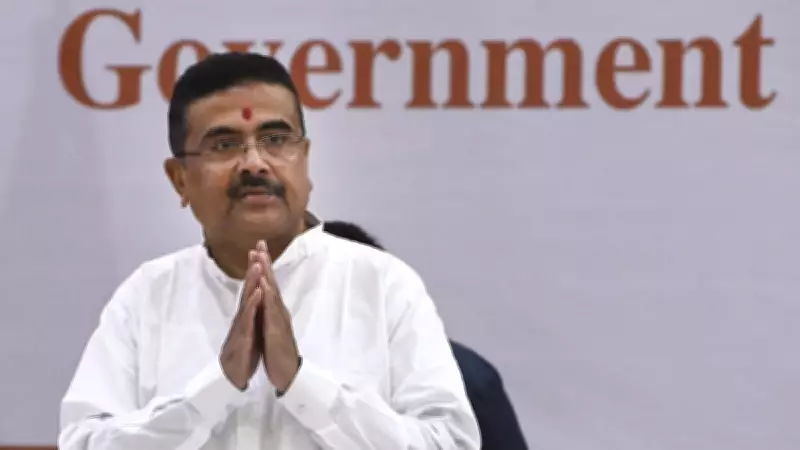
West Bengal stands as India's foremost laboratory of welfare innovation. The Suvendu Adhikari government's first Budget presents a unique opportunity to transform it into a laboratory of welfare evaluation, focusing not on how much the State spends, but on what society gains from that spending.
Historically, welfare programs have been measured by their financial outlay rather than their actual impact on citizens' lives. This approach often leads to inefficiencies and missed opportunities for genuine social progress. By shifting the focus to outcomes, policymakers can ensure that every rupee spent contributes meaningfully to societal well-being.
The concept of welfare evaluation involves rigorous analysis of program effectiveness, cost-benefit ratios, and long-term societal benefits. It requires transparent data collection, independent audits, and community feedback mechanisms. Such an approach can help identify successful initiatives that can be scaled up, while discontinuing those that fail to deliver results.

West Bengal has already pioneered several innovative welfare schemes, including targeted subsidies, health insurance for the poor, and skill development programs. However, without proper evaluation, it is difficult to determine which interventions yield the highest returns. The new budget should allocate resources for building evaluation capacity, training personnel, and establishing monitoring systems.
Critics may argue that evaluation adds bureaucratic layers and delays implementation. However, evidence from other countries shows that well-designed evaluation systems actually improve efficiency and accountability. For instance, randomized controlled trials in education and health have helped optimize resource allocation in several developing nations.
The Suvendu Adhikari government has a chance to set a national precedent. By prioritizing welfare evaluation, West Bengal can demonstrate that good governance is not just about spending money, but about spending it wisely. This shift in mindset can transform the state into a model for others to follow.
Ultimately, the question should not be 'How much did we spend?' but 'What did we achieve?' The answer will determine whether West Bengal's welfare innovations truly benefit its people.