

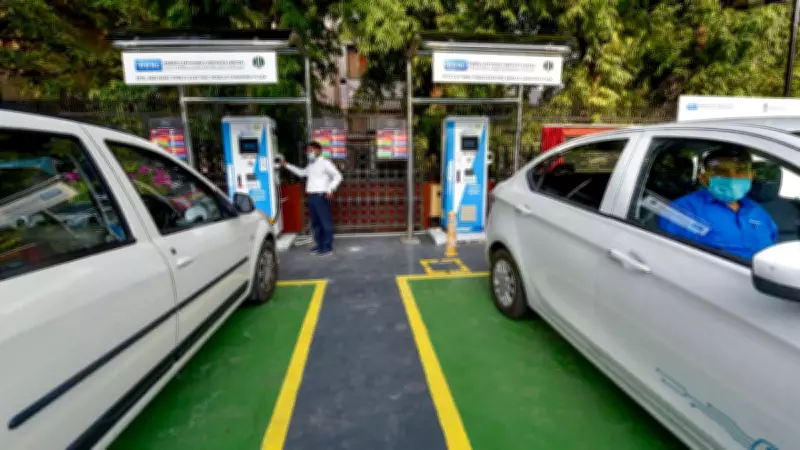
Delhi Government Releases Draft EV Policy with Substantial Incentives
The Delhi government has officially unveiled a comprehensive draft Electric Vehicle (EV) policy, marking a significant step towards accelerating the adoption of cleaner transportation in the national capital. This policy framework proposes a range of financial incentives designed to make electric vehicles more accessible and affordable for residents across various categories.
Incentive Structure and Financial Support
At the heart of the draft policy is a tiered incentive system that offers direct financial benefits to potential EV buyers. The proposed incentives vary significantly based on the type and category of the electric vehicle, with amounts starting from as low as Rs 10,000 and going up to an impressive Rs 1 lakh for specific segments. This structured approach aims to cater to a wide spectrum of consumers, from individual two-wheeler users to commercial vehicle operators.
The policy outlines clear eligibility criteria and application processes for availing these incentives, ensuring transparency and ease of access. By reducing the upfront cost barrier, the Delhi government hopes to stimulate demand and encourage a rapid shift away from fossil fuel-dependent vehicles.

Categories Covered and Implementation Timeline
The draft EV policy encompasses a diverse range of vehicle categories, including but not limited to:
- Electric two-wheelers and three-wheelers
- Electric cars and SUVs for personal use
- Electric buses and commercial vehicles
- Last-mile delivery and freight vehicles
Each category is slated to receive tailored incentive amounts, reflecting the government's strategy to address specific market segments and usage patterns. The policy is designed to be implemented in phases, with the proposed incentives set to be available until 2026, providing a stable and predictable framework for both consumers and manufacturers.
Broader Objectives and Environmental Impact
Beyond the immediate financial incentives, the draft policy is part of a larger vision to combat air pollution and reduce greenhouse gas emissions in Delhi. By promoting electric mobility, the government aims to:
- Improve air quality and public health outcomes
- Reduce dependence on imported fossil fuels
- Foster innovation and job creation in the EV ecosystem
- Develop supporting infrastructure like charging stations
The release of this draft policy opens the door for public feedback and stakeholder consultations before finalization. It represents a proactive move by the Delhi government to position the city as a leader in sustainable urban transportation, aligning with national goals for electric vehicle penetration and climate action.






