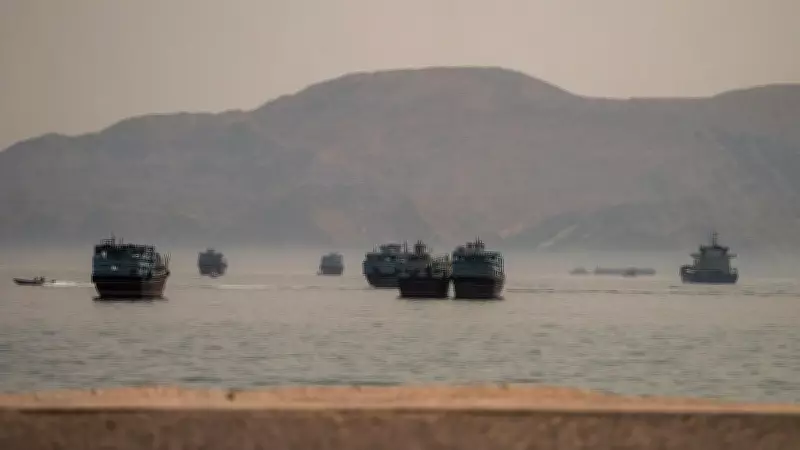
Four Indian Vessels Cross Strategic Waterway
Four Indian ships carrying fertiliser have successfully crossed the Strait of Hormuz and are now heading towards major ports in India, according to an official statement on Monday. The development comes ahead of the kharif sowing season, ensuring that farmers receive timely supplies of essential nutrients for crops.
The vessels are part of a larger consignment of fertiliser imports that India has been securing to meet domestic demand. The Strait of Hormuz, a critical chokepoint between the Persian Gulf and the Gulf of Oman, is vital for global energy and commodity shipments. India has been closely monitoring the route amid regional tensions.
Ensuring Kharif Season Readiness
Indian officials confirmed that the ships are carrying urea and other fertilisers, which are crucial for the upcoming kharif season. The kharif crop cycle, which includes paddy, cotton, and sugarcane, typically begins with the onset of the southwest monsoon in June. Adequate fertiliser availability is essential to support higher yields and food security.

“The crossing was smooth, and we expect the vessels to dock at major ports such as Kandla, Mundra, and Paradip within the next few days,” said a senior official from the Ministry of Chemicals and Fertilisers. “This will bolster our inventory ahead of the peak demand period.”
Strategic Importance of the Strait
The Strait of Hormuz handles about 20% of the world’s oil and a significant share of liquefied natural gas and fertiliser shipments. India, being a major importer of fertilisers, relies heavily on this route for supplies from the Middle East and North Africa. Any disruption could impact agricultural output and inflation.
In recent months, India has diversified its fertiliser sourcing and increased domestic production to reduce dependency. However, imports still account for a substantial portion of consumption. The government has also been working with international partners to ensure safe passage for commercial vessels.
Impact on Agricultural Inputs
Agricultural experts note that the timely arrival of fertilisers is critical for the kharif season. “India’s fertiliser consumption during kharif is around 30 million tonnes, and any delay can affect sowing patterns and crop health,” said Dr. Ramesh Chand, an agricultural economist. “This shipment will help stabilise prices and availability.”
The government has set a target to increase domestic fertiliser production by 10% this year, but imports remain necessary to bridge the gap. The four vessels carry an estimated 120,000 tonnes of fertiliser, enough to cover nearly 500,000 hectares of farmland.
Government Reassures Farmers
Union Minister for Chemicals and Fertilisers, Mansukh Mandaviya, stated that the government is committed to ensuring adequate fertiliser supply. “We are in constant touch with shipping agencies and port authorities to expedite unloading and distribution,” he said. “Farmers should not worry about shortages.”
The minister also highlighted that India has sufficient stocks of fertilisers for the next two months, and additional shipments are expected to arrive from other sources. The government is also promoting the use of nano-urea and other alternatives to reduce import dependence.
Future Outlook
As the kharif season progresses, India will continue to monitor global fertiliser markets and shipping routes. The successful passage of these vessels through the Strait of Hormuz is a positive sign for agricultural supply chains. Analysts expect that stable fertiliser availability will support a good harvest, contributing to economic growth and food security.