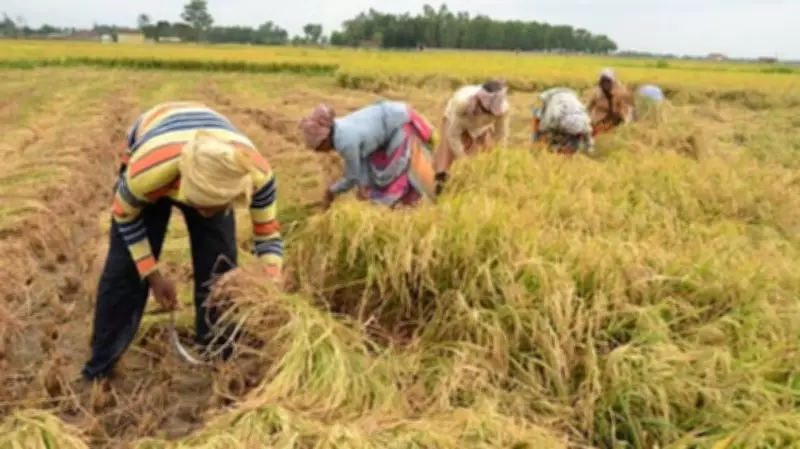
The Indian government has announced a hike in the minimum support price (MSP) for paddy by Rs 72 per quintal, bringing it to Rs 2,441 for the 2026-27 marketing season. This decision, approved by the Cabinet Committee on Economic Affairs, is aimed at ensuring remunerative prices for farmers and encouraging paddy cultivation across the country.
Key Highlights of the MSP Hike
The revised MSP represents an increase of about 3% over the previous year's price of Rs 2,369 per quintal. The government has also fixed the MSP for other kharif crops, including jowar, bajra, ragi, maize, and pulses, with varying increases to promote crop diversification and nutritional security.
Impact on Farmers and Economy
The MSP hike is expected to benefit millions of paddy farmers, particularly in major producing states like Punjab, Haryana, Uttar Pradesh, West Bengal, and Andhra Pradesh. Higher MSPs are likely to boost rural incomes, increase agricultural investment, and support the government's target of doubling farmers' income by 2022-23. However, some experts caution that the increase may lead to higher food subsidies and inflationary pressures if not managed carefully.

Government's Rationale
The decision aligns with the government's commitment to ensure fair prices for farmers and maintain food security. The MSP is set based on recommendations from the Commission for Agricultural Costs and Prices (CACP), which considers factors like production costs, market prices, and demand-supply dynamics. The government also aims to reduce the fiscal burden by linking MSP increases to productivity gains and market reforms.
Reactions and Criticism
While farmer unions have welcomed the hike, they argue that it is insufficient to cover rising input costs. Opposition parties have criticized the government for not implementing the Swaminathan Commission's recommendation of MSP at 50% above the cost of production. The government maintains that the current formula ensures a fair return for farmers while balancing consumer interests.
Future Outlook
With the MSP hike, the government expects paddy procurement to remain robust, ensuring adequate buffer stocks for the public distribution system. However, challenges such as water scarcity, soil degradation, and climate change necessitate a shift towards sustainable farming practices and crop diversification. The government's focus on promoting millets and pulses through MSP adjustments is a step in this direction.
Overall, the MSP increase is a significant policy intervention that underscores the government's commitment to agricultural welfare, though its long-term success will depend on complementary measures like irrigation, market access, and price stabilization mechanisms.