

India Accelerates PNG Expansion, Grants 2.7 Lakh New Connections in March
In a significant push towards cleaner energy adoption, India has ramped up the rollout of Piped Natural Gas (PNG) across the country, with a notable surge in new connections recorded in March 2024. According to recent data, approximately 2.7 lakh new household connections were granted during this period, marking a substantial increase in the penetration of this eco-friendly cooking fuel.
Government-Led Initiative Drives Growth
The expansion is part of a broader government-led initiative aimed at promoting the use of natural gas as a sustainable alternative to traditional fuels like LPG and firewood. This effort aligns with national policies focused on reducing carbon emissions and improving air quality in urban and rural areas alike. The scheme has been instrumental in making PNG more accessible to households, particularly in regions where infrastructure development has been prioritized.
Infrastructure Development and Regional Focus
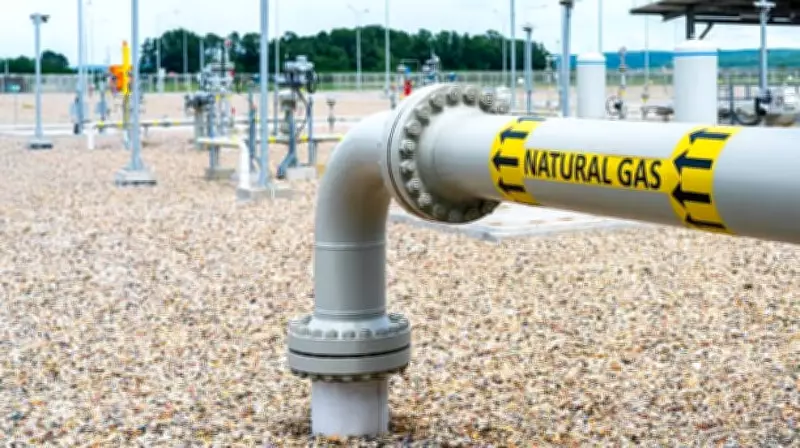
To support this growth, significant investments have been made in expanding the PNG pipeline network and distribution systems. Key regions, including metropolitan cities and emerging urban centers, have seen accelerated deployment, ensuring that more families can benefit from a reliable and cost-effective energy source. The government's focus on enhancing connectivity has played a crucial role in facilitating this rapid rollout.

Benefits of PNG Adoption
The shift to PNG offers numerous advantages for households and the environment:
- Environmental Impact: PNG is a cleaner-burning fuel compared to LPG or biomass, contributing to reduced greenhouse gas emissions and better indoor air quality.
- Economic Savings: Over time, PNG can be more economical for consumers due to stable pricing and lower operational costs.
- Convenience: With a continuous supply through pipelines, users avoid the hassle of cylinder refills and storage issues.
Future Outlook and Challenges
Looking ahead, the government aims to sustain this momentum by targeting further expansion in underserved areas and increasing public awareness about the benefits of PNG. However, challenges such as infrastructure gaps in remote regions and the need for continuous investment remain. Addressing these will be key to achieving long-term goals for universal access to clean cooking fuel.
In summary, India's aggressive push for PNG rollout, highlighted by the 2.7 lakh new connections in March, underscores a committed move towards sustainable energy solutions. This initiative not only supports environmental objectives but also enhances the quality of life for millions of households across the nation.






