Centre Announces Historic Upgrade in Rice Quality for PMGKAY Beneficiaries
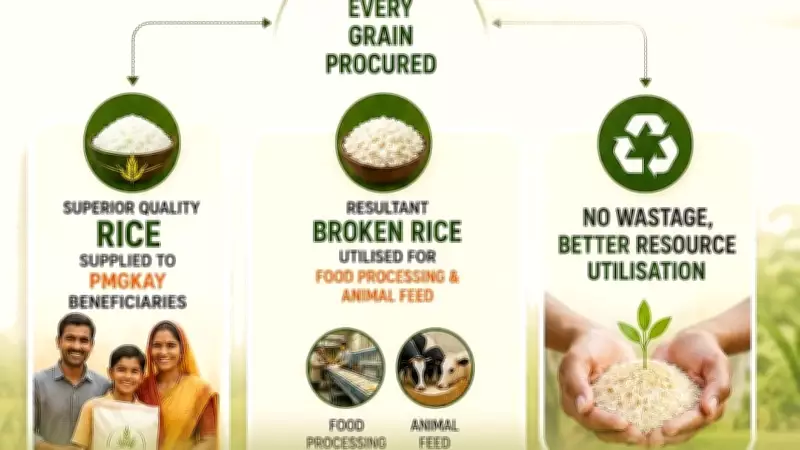
The Union Cabinet, under the leadership of Prime Minister Narendra Modi, has approved a landmark decision to significantly improve the quality of rice distributed under the Pradhan Mantri Garib Kalyan Anna Yojana (PMGKAY). For the first time in nearly three decades, the permissible limit of broken grains in raw rice has been slashed from 25% to 10%, while in par-boiled rice, the limit has been reduced from 16% to 5%. This move will directly benefit approximately 80 crore beneficiaries across the country.
Details of the New Quality Standards
The revised specifications were announced by Union Minister Pralhad Joshi on July 1, 2026. According to the new norms, raw rice distributed under PMGKAY must now contain no more than 10% broken grains, a sharp reduction from the previous 25% limit. For par-boiled rice, the permissible broken rice content has been cut from 16% to 5%. These changes are expected to enhance the nutritional value and overall quality of rice provided to the nation's poorest households.
Impact on Food Security and Nutrition
The decision is part of the government's broader efforts to strengthen India's food security system. By ensuring higher-quality rice, the Centre aims to improve the dietary intake of PMGKAY beneficiaries, who rely on this ration for their daily sustenance. The reduction in broken grain content means that beneficiaries will receive more whole grains, which are richer in nutrients and have better cooking qualities. This move is also expected to reduce wastage and improve the efficiency of the public distribution system.

According to Pralhad Joshi, the upgrade is a transformative step that will have a lasting impact on the lives of millions. He stated on social media that the Cabinet's decision is historic and will further bolster India's food security framework. The minister highlighted that this is the first such revision in rice quality standards in about three decades, underscoring the government's commitment to the welfare of the poor.
Government's Vision for the Future
The PMGKAY, launched in 2020 as a relief measure during the COVID-19 pandemic, has since been extended to provide free food grains to eligible households. The scheme currently covers around 80 crore beneficiaries, making it one of the largest food security programs in the world. With this quality upgrade, the government aims to align the scheme with evolving nutritional standards and public expectations.
The decision has been widely welcomed by experts and civil society groups, who see it as a significant step toward ensuring food justice. However, some have called for further improvements, such as fortification of rice with essential vitamins and minerals. The government has indicated that it is exploring such options as part of its ongoing efforts to combat malnutrition.