

Odisha Cabinet Greenlights Major Handloom Development Scheme
The state cabinet of Odisha has given its approval to the Mukhyamantri Hastatanta Bikasha Yojana (MHBY), a comprehensive initiative aimed at fostering holistic and inclusive growth within the handloom sector. With a substantial financial outlay of Rs 589.1 crore allocated over a five-year period, this scheme is set to provide much-needed relief to numerous weavers across the region. These artisans have long faced persistent challenges, including irregular supplies of raw materials, limited access to broader markets, and a steady decline in their incomes, which have threatened their livelihoods and the preservation of traditional crafts.
Key Components of the Mukhyamantri Hastatanta Bikasha Yojana
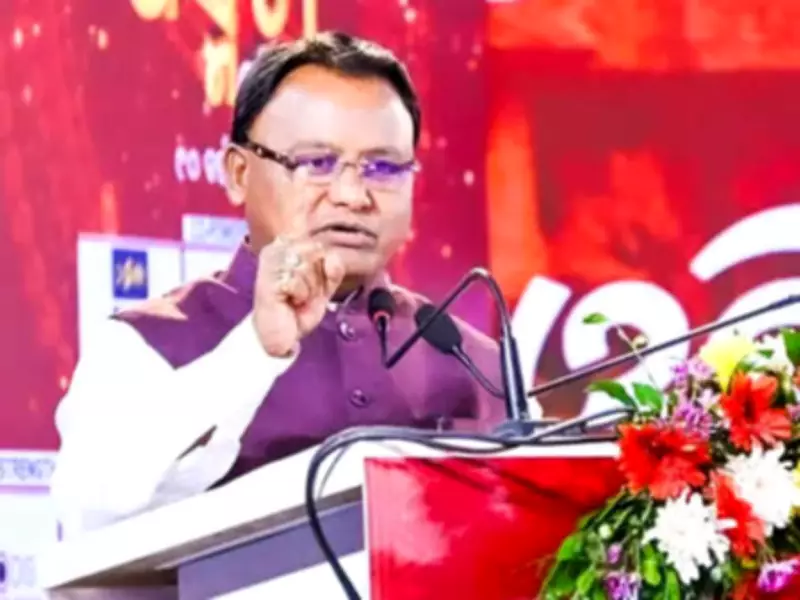
Under the leadership of Chief Minister Mohan Charan Majhi, who chaired the cabinet meeting, the flagship scheme outlines several critical components designed to strengthen the economic and social fabric of weaver families. The primary focus areas include:
- Infrastructure Development: Construction of hygienic and well-ventilated workspaces to ensure a safe and productive environment for weavers.
- Raw Material Support: Ensuring a regular and affordable supply of essential materials like yarn, which is crucial for sustaining production activities.
- Skill Enhancement Programs: Training initiatives for weavers and ancillary workers to improve their employability, productivity, and adaptability to modern techniques.
- Technology and Innovation: Provisions for upgrading technology, fostering design innovation, and enhancing market adaptability to keep the sector competitive in evolving global markets.
Market Access and Heritage Preservation
In a bid to expand market reach, the scheme will facilitate weaver participation in exhibitions and expos, enabling direct connections with buyers and consumers. This move aims to reduce dependency on intermediaries and boost sales of handwoven products. Additionally, to protect and promote Odisha's rich handloom heritage, the initiative includes support for Geographical Indication (GI) registration and brand-building efforts. These steps are intended to highlight the uniqueness of Odisha's traditional craftsmanship on both national and international platforms.

Governance and Recognition
The MHBY scheme also incorporates IT-driven governance tools to enhance transparency and efficiency in implementation. Systems for monitoring, evaluation, and contingency planning have been integrated to ensure the effective execution of the program. Furthermore, the scheme recognizes excellence through awards such as the Kriti Puraskar Samman Yojana, which will honor highly skilled weavers, thereby encouraging continued craftsmanship and innovation within the community.
Expected Outcomes and Broader Impact
Officials involved in the scheme have emphasized that MHBY seeks to realign existing programs and ensure convergence across various government departments for maximum impact. The anticipated outcomes include an expansion in production volumes, an increase in the number of active weavers, generation of new employment opportunities, and the promotion of entrepreneurship, particularly among the younger generation. By addressing both economic and skill-based challenges, the scheme aims to secure a sustainable future for Odisha's handloom sector, preserving its cultural legacy while driving growth and development.






