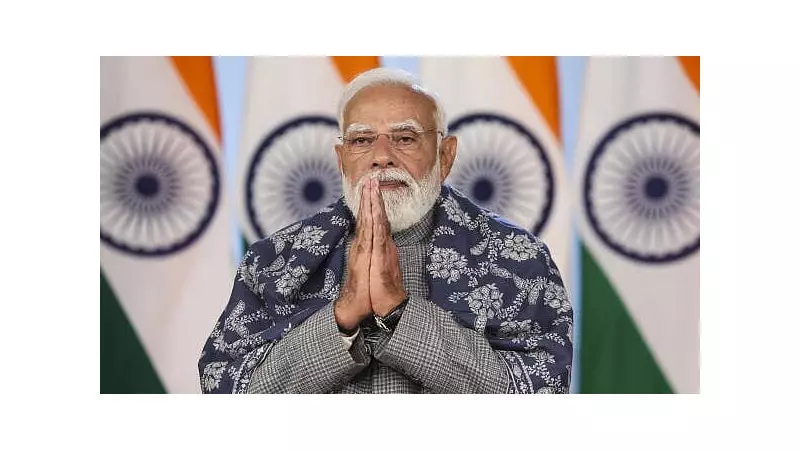
The Government of India, under the leadership of Prime Minister Narendra Modi, is set to unveil the next phase of the UDAN (Ude Desh ka Aam Nagrik) scheme, a flagship initiative designed to enhance regional air connectivity and make air travel more accessible and affordable for the common citizen. This announcement marks a significant step forward in the nation's aviation policy, building upon the successes of previous phases that have already connected numerous underserved and unserved airports across the country.
Expanding Air Travel Access Across India
The upcoming phase of the UDAN scheme aims to further democratize air travel by linking more remote and regional destinations, thereby fostering economic growth and tourism in these areas. By subsidizing airfares and incentivizing airlines to operate on less profitable routes, the government seeks to bridge the connectivity gap between metropolitan hubs and smaller towns. This initiative is expected to benefit millions of Indians, particularly in states with limited aviation infrastructure, by providing them with reliable and cost-effective air transport options.
Key Objectives and Expected Impact
The primary goals of this new phase include increasing the number of operational airports and heliports, enhancing frequency on existing routes, and introducing new destinations to the aviation network. Experts predict that this expansion will not only boost local economies through increased business and tourism but also create job opportunities in the aviation and hospitality sectors. Additionally, improved air connectivity is likely to facilitate better access to healthcare, education, and other essential services for residents in remote regions.

Government's Commitment to Aviation Development
Prime Minister Modi's announcement underscores the government's ongoing commitment to transforming India's aviation landscape. Since its inception, the UDAN scheme has been instrumental in reviving dormant airports and launching new routes, with over 400 routes operationalized and more than 10 million passengers benefiting from subsidized fares. The next phase is anticipated to build on this momentum, with a focus on sustainability and inclusivity, ensuring that air travel becomes a viable option for a broader segment of the population.
As the details of the new phase are awaited, stakeholders in the aviation industry, including airlines, airport operators, and local communities, are optimistic about the potential for growth and development. This move aligns with India's broader vision of becoming a global aviation hub while prioritizing the needs of its domestic travelers.