Technical Failure Halts Purple Line Services
A technical failure at Cubbon Park station on Tuesday brought Bengaluru's Purple Line metro services to a grinding halt, stranding thousands of commuters during peak hours. The disruption, which lasted several hours, exposed deep-seated governance and infrastructure gaps, sparking widespread public outrage and political backlash.
Political Blame Game Intensifies
BJP MP Tejasvi Surya and Congress MP P C Mohan criticized the state government and the Bangalore Metro Rail Corporation Limited (BMRCL) for repeated failures and inadequate emergency response. Surya pointed to the city's 'first-world talent, third-world governance' paradox, questioning its ability to support its workforce during crises. Mohan demanded accountability and swift action to prevent future disruptions.
Commuters Face Chaos and Surge Pricing
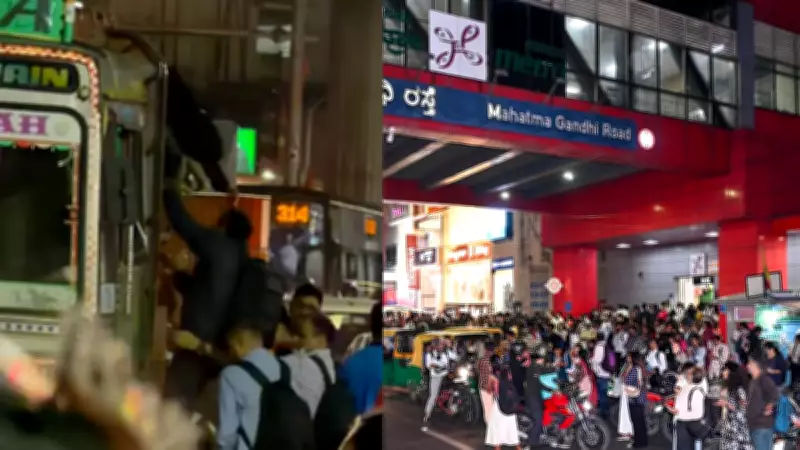
With metro services suspended, thousands of commuters faced hours-long waits, surge pricing from auto-rickshaws and cabs, and even resorted to hitchhiking on trucks. Many reported that autos and cabs refused rides or charged exorbitant rates, leaving passengers stranded. The incident highlighted the city's over-reliance on a single mode of transport and the lack of viable alternatives.

Governance Critique and Systemic Vulnerabilities
The metro failure has reignited debates about Bengaluru's infrastructure woes. Surya emphasized the disconnect between the city's global talent pool and its crumbling public systems. Frequent metro disruptions reveal maintenance and emergency service gaps, leaving citizens to endure broken systems despite paying taxes. Critics argue that the BMRCL's response was slow and uncoordinated, exacerbating the chaos.
Impact on Daily Life and Economy
Bengaluru's metro carries over 500,000 passengers daily, and disruptions like this have a cascading effect on productivity and the local economy. Commuters lost hours of work time, and businesses reported delays. The incident underscores the urgent need for investment in redundancy, real-time communication, and alternative transport options.
Demands for Accountability and Reform
Political leaders and citizen groups are demanding a thorough investigation into the failure and a comprehensive review of BMRCL's maintenance protocols. They call for better emergency response plans, including shuttle services and real-time updates. The government has promised to address the issues, but public trust remains low.
As Bengaluru grapples with rapid urbanization, this metro failure serves as a stark reminder of the infrastructure deficits that threaten its status as India's tech hub. Without systemic reforms, such crises are likely to recur, further straining the city's resilience.