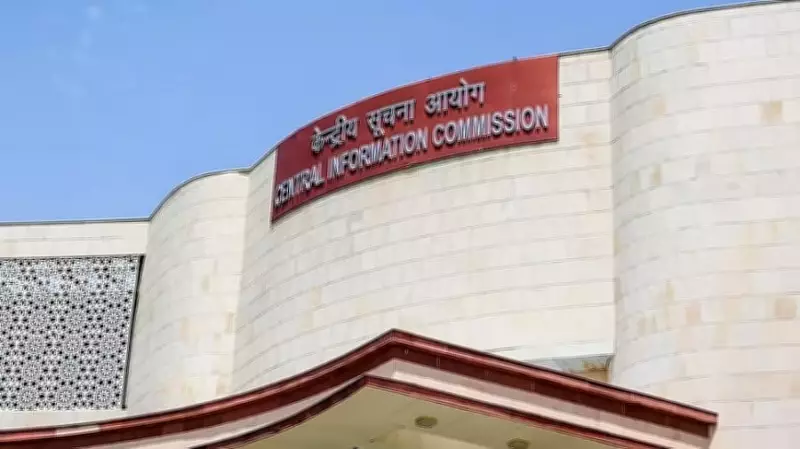
The Central Information Commission (CIC) has issued a notice to officials of the Ministry of Law and Justice after an RTI application regarding judicial court fee collections remained incomplete despite being transferred four times. The applicant had sought detailed information on the annual collection of judicial court fees, including e-court fees, on an all-India basis. The query also requested the total amount collected since June 1, 2014, with state-wise annual figures, as well as details on the utilisation of such collections and related allocations.
Background of the RTI Application
The RTI application was initially filed with the Department of Justice, but over time, it was transferred to multiple other departments within the Law Ministry. Despite these transfers, the applicant did not receive a comprehensive reply. The incomplete response prompted the applicant to approach the CIC, which is the appellate authority under the Right to Information Act.
CIC's Intervention
The CIC, after reviewing the case, observed that the repeated transfers indicated a lack of coordination among the concerned departments. The commission issued a notice to the Law Ministry officials, directing them to provide a complete and consolidated response. The notice also sought an explanation for the delays and the multiple transfers that hindered the disclosure of information.

Significance of the Data Sought
The data on judicial court fees is crucial for understanding the financial aspects of the judiciary. It includes revenue generated from court fees, which are used for court operations and infrastructure. The applicant's request for state-wise figures and utilisation details aims to ensure transparency and accountability in the management of these funds.
Legal Framework
Under the RTI Act, public authorities are required to provide information within 30 days. In cases where the information is voluminous or involves multiple departments, the act allows for a limited extension. However, the repeated transfers in this case were seen as an attempt to evade the responsibility of providing a complete answer.
Next Steps
The CIC has asked the Law Ministry to submit a detailed reply within a stipulated timeframe. Failure to comply may result in penalties under the RTI Act. The case highlights the challenges faced by citizens in accessing information from government departments, especially when the data involves multiple agencies.