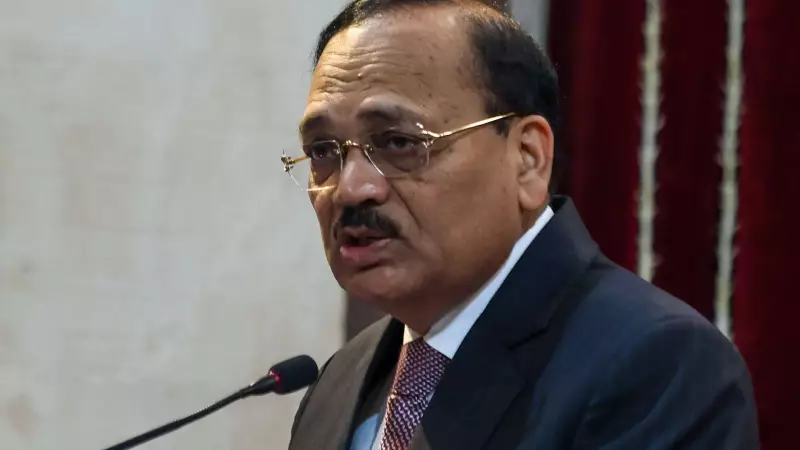
CJI Surya Kant Stresses Proactive Role of High Courts in Ensuring Justice
Chief Justice of India (CJI) Surya Kant delivered a powerful address at the Fali Nariman Memorial Lecture in Mumbai, highlighting the critical importance of interim relief as a citizen's primary access to justice. Speaking at Mumbai University's convocation hall, he asserted that "justice delayed is justice destroyed", emphasizing the need for courts to act swiftly and proactively.
The Guardian Role of Article 226
CJI Kant focused on Article 226 of the Constitution, which grants high courts the power to issue directions and writs to enforce fundamental rights. He explained that this provision serves as a "guardian of access to justice", allowing courts to fill gaps where the law is silent. "When the law is silent, the sentinel does not remain mute," he stated, citing examples where high courts have intervened to protect the environment, ensure prisoner dignity, and secure migrant workers' rights during crises.
Interim Relief: A Lifeline for Citizens
The CJI underscored that the power of interim relief is often overlooked but vital. "For a small farmer whose land is being seized or a student wrongly denied admission, justice delayed is not just justice denied; it is justice destroyed," he said. He pointed out that the ability of high courts to stay executive actions at the first hearing is frequently the only real access citizens experience, making it a crucial tool in preventing irreversible harm.
Transforming Access to Justice into an Active Service
CJI Kant called for high courts to evolve into "proactive courts" that do not merely wait for petitions but remain alert to systemic failures in the rule of law. "The goal must be to transform 'Access to Justice' from a passive right into an active, state-guaranteed service," he added. This requires courts to strengthen their powers and innovate procedurally to bridge the gap between citizens' rights and available remedies.
Harnessing Technology for Judicial Equality
Addressing the role of technology, the CJI noted that while advancements often deepen economic divides, they must be leveraged to ensure judicial equality. He urged courts to move beyond viewing virtual hearings as emergency measures and embrace them as a "permanent pillar of accessibility". "A tribal woman in Gadchiroli or a worker in a remote corner of the Northeast should not have to travel far to seek justice," he emphasized, advocating for greater accessibility and affordability through digital means.
Support for Kolhapur Circuit Bench
During the event, which also included felicitations for CJI Kant at the Taj Hotel in South Mumbai, he responded to appeals from Supreme Court Justice Dipankar Datta and Deputy Chief Ministers Eknath Shinde and Ajit Pawar. He committed to examining the issue of making the Bombay High Court's Kolhapur circuit bench a permanent bench, promising "consistent support from the Supreme Court" and communication with relevant authorities.
In summary, CJI Surya Kant's lecture reinforced the imperative for high courts to be vigilant and innovative, using interim relief and technology to uphold justice for all citizens, especially the marginalized.