

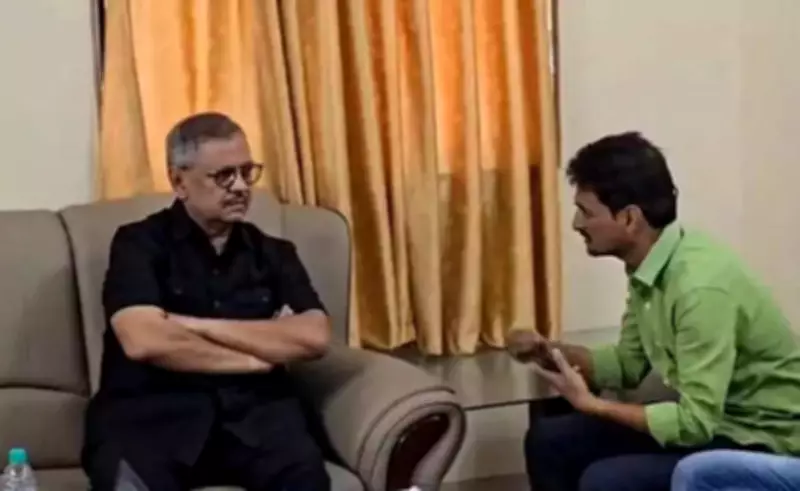
Beed Court Rejects Accused's Plea Against Prosecutor Ujjwal Nikam
A district and special sessions court in Beed delivered a significant ruling on Tuesday, dismissing a plea filed by five of the seven accused individuals seeking the cancellation of special public prosecutor Ujjwal Nikam's appointment. The case involves the high-profile kidnapping and murder of Massajog village sarpanch Santosh Deshmukh, which has drawn considerable public and legal attention.
Court Proceedings and Next Hearing Date
During the hearing, the court firmly rejected the application, thereby allowing special prosecutor Ujjwal Nikam to continue representing the state in this critical legal matter. Advocate Balasaheb Kolhe, who has been appointed to assist the special public prosecutor, provided details on the proceedings. The court has officially scheduled the next hearing for April 7, marking a key date in the ongoing trial timeline.
Evidence Exchange and Defense Requests
Following the dismissal of the plea, the prosecution took steps to advance the case by handing over additional evidence to the defense. This evidence, stored on a laptop, was transferred via a pen drive during the proceedings. However, a point of contention arose when defense lawyers requested access to video recordings of the panchnama.

Advocate Kolhe explained that the prosecution opposed this demand, citing that the videos had already been uploaded to the government's 'e-Sakshya' application and could not be shared separately. This move highlights the increasing use of digital platforms in legal processes and the challenges it presents in evidence sharing.
Legal Representation and Trial Delays
In a related development, Valmik Karad, the former municipal president of Parli and a key accused in the case, has appointed an additional counsel. Advocate Nilesh Ghanekar from Chhatrapati Sambhajinagar will now represent Karad moving forward, adding another layer to the legal team dynamics.
Kolhe expressed concerns about the accused's strategies, noting that they appear to be employing tactics to "delay and derail" the trial. He pointed out that this includes frequently bringing in new sets of lawyers to represent the case, which could potentially slow down the judicial process. This pattern raises questions about the efficiency and pace of justice in complex criminal cases.
The court's decision to uphold Nikam's appointment underscores the importance of continuity in legal representation, especially in cases with significant public interest. As the trial progresses, all eyes will be on the April 7 hearing for further developments in this closely watched murder case.






