Members of the Dalit community in Mangaluru have raised a significant demand concerning the investigation of cases filed under the Scheduled Castes and Scheduled Tribes (Prevention of Atrocities) Act. They have called for such cases to be handled directly by the respective local police stations, removing them from the purview of the specialized Civil Rights Enforcement Directorate (DCRE) stations.
Key Grievances Against DCRE Highlighted in Meeting
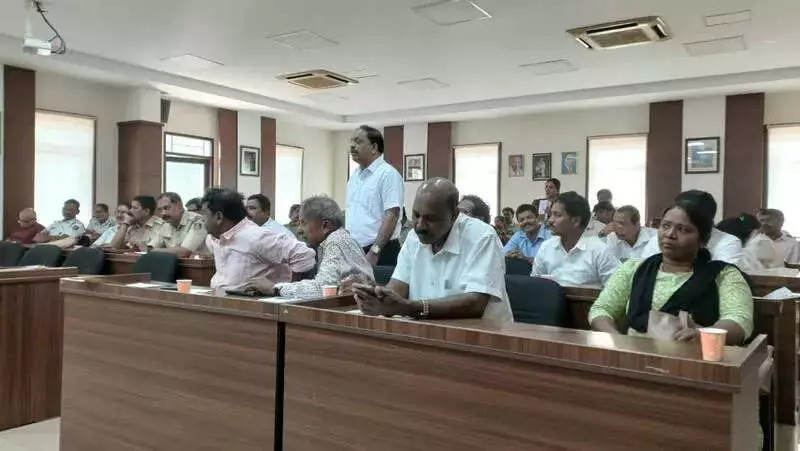
The demand was put forth during a grievances meeting specifically for SC/ST communities, which was chaired by DCP (Law and Order) Mithun HN on Sunday. Activists present at the meeting expressed strong dissatisfaction with the functioning of the DCRE in Mangaluru. They alleged that the directorate is not operating efficiently, leading to considerable delays in the judicial process.
Prominent Dalit activist Anand SP pointed out systemic issues within the DCRE unit. He highlighted that the unit currently has no Deputy Superintendent of Police (DSP), and several other crucial posts remain vacant. This staff shortage, he argued, is a primary cause for investigative delays and the failure to submit chargesheets to courts within the legally mandated timeframe.

"Delay in submission of chargesheets may lead to destruction of evidence in cases," Anand SP cautioned, emphasizing the serious legal repercussions of such delays. Other activists at the meeting unanimously supported this view, questioning the very necessity of DCRE stations for investigating SC/ST atrocity cases. They also noted their displeasure at the absence of the DCRE Superintendent of Police from the meeting.
Official Response and Broader Community Issues
In response to the demands, DCP Mithun HN stated that a formal letter detailing the community's concerns would be forwarded to the Deputy Inspector General of Police (DIGP). He clarified, however, that no decisions can be taken with regard to the demand at the local level. Any policy change concerning the jurisdiction of case investigations would have to be made by the state government.
The DCP further explained the procedural limitations, noting that once a case is officially handed over to the DCRE, the local police cannot interfere in its investigation. This delineation of authority underscores the need for a top-down decision.
Beyond the primary issue, other community concerns were voiced at the meeting. Activist Ramesh Kotian requested that the city police grant permission for a community member to reopen a recreation club that was closed during the Covid-19 pandemic.
Additionally, Mukhesh from Kulshekhar brought attention to alleged negligence at Wenlock District Hospital. He claimed a patient was denied benefits under the Ayushman Bharat health scheme and accused hospital staff of improper maintenance of patient admission records. Regarding this, DCP Mithun suggested that the health department officials be formally notified of the issue.
Implications and Next Steps
The grievances meeting has brought to light critical operational challenges within the system designed to protect marginalized communities. The activists' call to shift investigation authority to local police stations stems from a loss of confidence in the specialized DCRE, primarily due to staffing issues and procedural delays that potentially jeopardize justice.
The ball is now in the court of higher authorities, as the local police administration has committed to escalating the matter. The community awaits a response from the government, which holds the power to restructure the investigative protocol for SC/ST atrocity cases in the region.