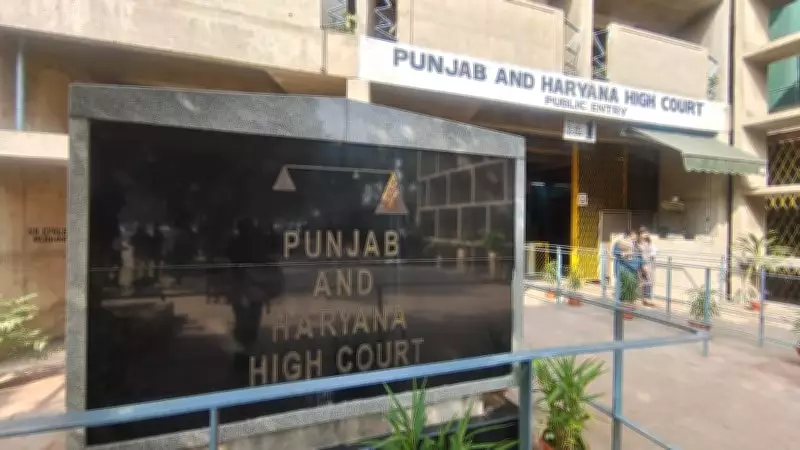
High Court Mandates Immediate FD Deposits for Execution Funds
The Punjab and Haryana High Court has issued a landmark directive ordering all executing courts in Haryana, Punjab, and Chandigarh to deposit amounts received in execution proceedings into nationalised banks as fixed deposits (FDs) without delay. The ruling aims to prevent litigants from suffering financial loss due to funds lying idle in court custody.
Justice Pankaj Jain passed the order while adjudicating a civil revision petition arising from execution proceedings. The petition challenged an order dated March 11, 2025, by the Additional Civil Judge (Senior Division), Safidon, in a case involving money decrees. The contesting parties before the High Court were decree-holders against the defendants.
Rationale Behind the Directive
Justice Jain emphasized that litigants should not be penalized because money remains with the court during execution proceedings. The court stated: “This court deems it necessary to direct the Executing Courts in the States of Punjab, Haryana and UT, Chandigarh, that the amounts received in execution proceedings be immediately deposited with nationalised banks instead of keeping the same idle. This will ensure that the parties are not at loss due to act of court.”

The court further ordered that all such deposits must be placed in interest-bearing FDs with a nationalised bank. The FD should be transferred to the party entitled to the funds. The concerned party may withdraw the interest accrued or continue with the FD as per their preference.
Supreme Court Precedent Cited
Referring to the landmark judgment in the K.L. Suneja case, the High Court observed that the Supreme Court had directed all courts and judicial forums to frame guidelines mandating that amounts deposited with their offices or registries be placed in banks or financial institutions. This ensures no loss is caused to litigants in the future.
The Supreme Court had also directed that such guidelines should cover situations where litigants merely file payment instruments—such as pay orders, demand drafts, and banker’s cheques—without seeking any specific order. These guidelines should be embodied in appropriate rules or regulations governing courts, tribunals, commissions, authorities, and other adjudicatory bodies.
Benefits for Litigants
The directive is expected to significantly benefit litigants by protecting them from losing interest while their money remains in court custody. It seeks to eliminate disputes over who is entitled to interest for the period the funds are held by the court. Once formal rules are framed, the practice of investing court-held deposits could become a standard procedure across the High Court’s jurisdiction.
The order applies to all executing courts in Haryana, Punjab, and the Union Territory of Chandigarh, ensuring uniformity in handling execution funds.