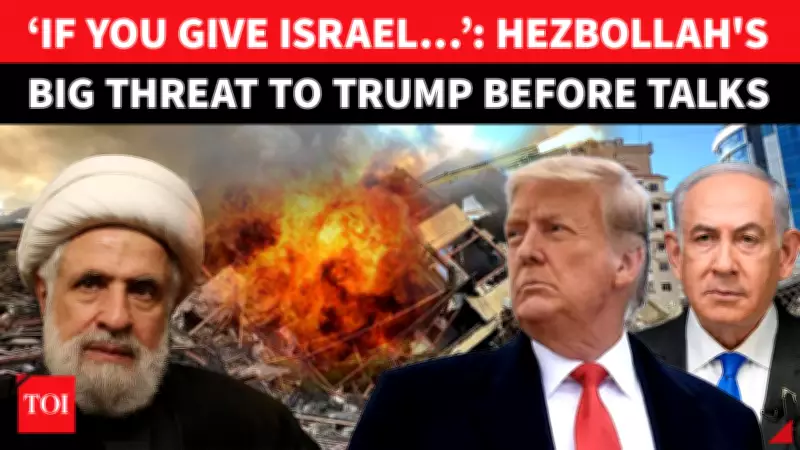
Hezbollah Leader's Stern Warning to Israeli PM Amid Escalating Tensions
In a dramatic escalation of Middle East tensions, Hezbollah Secretary-General Hassan Nasrallah has issued a stark warning to Israeli Prime Minister Benjamin Netanyahu following extensive military strikes on Lebanese territory. The Hezbollah chief characterized Israel's actions as "bloody criminality" in his latest public address, setting a confrontational tone just as diplomatic channels were preparing to open in Washington, D.C.
Diplomatic Preparations Amid Battlefield Rhetoric
As international mediators worked to arrange talks between Hezbollah and Israeli representatives, public statements from both sides revealed hardened positions that threatened to undermine diplomatic efforts before negotiations even began. The contrasting narratives emerging from battlefield rhetoric and diplomatic preparation highlighted the fragile nature of the upcoming engagement, with regional stability hanging in the balance.
Key demands from both parties have already surfaced, including:

- Hezbollah's insistence on security guarantees for Lebanon
- Israeli demands for Hezbollah's disarmament in southern Lebanon
- Mutual concerns about border stability and territorial integrity
- International monitoring mechanisms for any potential agreement
Domestic Pressures on Both Sides
Lebanese officials faced mounting pressure from domestic constituencies to protect national sovereignty while avoiding full-scale conflict. Simultaneously, Israeli leadership framed the upcoming talks as a critical pathway to long-term security restructuring in the region, emphasizing the need to address what they termed "persistent threats" from Iranian-backed groups operating in Lebanon.
The timing of Nasrallah's warning appears calculated to strengthen Hezbollah's negotiating position ahead of the Washington discussions. Analysts suggest the "bloody criminality" language represents both a moral condemnation of Israeli military actions and a strategic positioning to justify Hezbollah's continued armed resistance.
Regional Context and International Reactions
The escalating tensions between Hezbollah and Israel occur against a backdrop of broader regional instability, with multiple conflicts and diplomatic crises unfolding simultaneously. International observers have expressed concern that the Lebanon-Israel front represents one of the most volatile flashpoints in the Middle East, with potential for rapid escalation that could draw in multiple regional actors.
As diplomatic teams prepared their positions for the Washington talks, military assessments suggested both sides were maintaining heightened alert levels along the Lebanon-Israel border. The combination of Nasrallah's fiery rhetoric and Netanyahu's security-focused framing of the negotiations created what one regional analyst described as "a perfect storm of conflicting narratives that will challenge even the most skilled mediators."
The coming weeks will test whether diplomatic channels can overcome the hardened positions established through public statements and military actions. With both Hezbollah and Israeli leadership facing domestic pressures and regional expectations, the Washington talks represent what could be either a breakthrough opportunity or another chapter in the long history of Lebanon-Israel tensions.