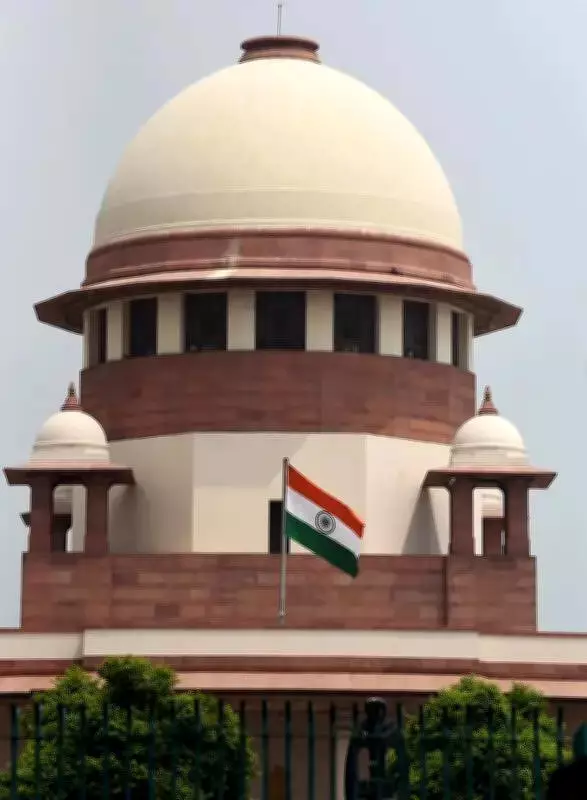
Shimla: The principal judge of the family court in Dharamshala, Arvind Malhotra, has approached the Supreme Court challenging the recommendation of three judicial officers for appointment as judges of the Himachal Pradesh high court, stating that his claim was overlooked despite his seniority and good service record.
Background of the Case
Malhotra has questioned the recommendation made by the Supreme Court collegium on June 3, which proposed the elevation of judicial officers Chirag Bhanu Singh, Bhupesh Sharma and Yogesh Jaswal as judges of the high court.
The matter was brought before a division bench comprising Chief Justice of India Surya Kant and Justice V Mohana, on Wednesday with Malhotra seeking an urgent hearing. During the proceedings, Malhotra's counsel argued that the selection process had unfairly favoured officers junior to him. It was submitted that this had denied him a fair opportunity for consideration for elevation to the high court. Taking note of the submissions, the Chief Justice of India agreed to list the matter for further consideration.

Malhotra's Arguments
Malhotra has submitted that he possesses the requisite eligibility and seniority but was not given due consideration while the names of junior officers were recommended to the central government for appointment. Earlier also, in 2024, Malhotra along with Chirag Bhanu Singh had approached the Supreme Court submitting that names of judicial officers junior to them had been considered by the high court collegium for elevation as high court judges.
The Supreme Court division bench comprising Justice Prashant Kumar Mishra and Justice Hrishikesh Roy had on September 6, 2024 ordered, "the high court collegium should now reconsider the names of Chirag Bhanu Singh and Arvind Malhotra for elevation as judges of the high court following the Supreme Court collegium decision dated 4th January, 2024 and the Law Minister's letter dated 16th January, 2024." Though the collegium recommended Chirag Bhanu Singh this time, Malhotra was left out.
This development highlights ongoing concerns about transparency and fairness in the judicial appointment process. The Supreme Court's intervention could set a precedent for similar cases where seniority is allegedly overlooked.