The Indian government is considering the implementation of facial recognition technology at the India-Nepal border to bolster security measures. This move aims to enhance monitoring of cross-border movement and improve identification of individuals entering or exiting the country.
Proposed Technology Deployment
According to sources, the Ministry of Home Affairs is evaluating the use of facial recognition systems at key border points. The technology would be integrated with existing surveillance infrastructure to create a more robust security framework. The system is expected to capture and analyze facial features of individuals crossing the border, cross-referencing them with databases of known criminals or suspicious persons.
Objectives and Benefits
The primary objective is to strengthen national security by preventing illegal immigration, human trafficking, and other cross-border crimes. The technology would also help in authenticating documents and reducing identity fraud. Officials believe that facial recognition can significantly speed up the verification process while maintaining high accuracy.

Challenges and Concerns
Privacy advocates have raised concerns about potential misuse of biometric data and lack of legal safeguards. There are also technical challenges such as accuracy in varying light conditions and large crowds. The government has assured that data protection measures will be in place and that the system will comply with existing laws.
Current Status
The proposal is in the preliminary stage, with feasibility studies and pilot projects being discussed. The government is consulting with technology experts and security agencies to finalize the implementation plan. No timeline has been announced yet.
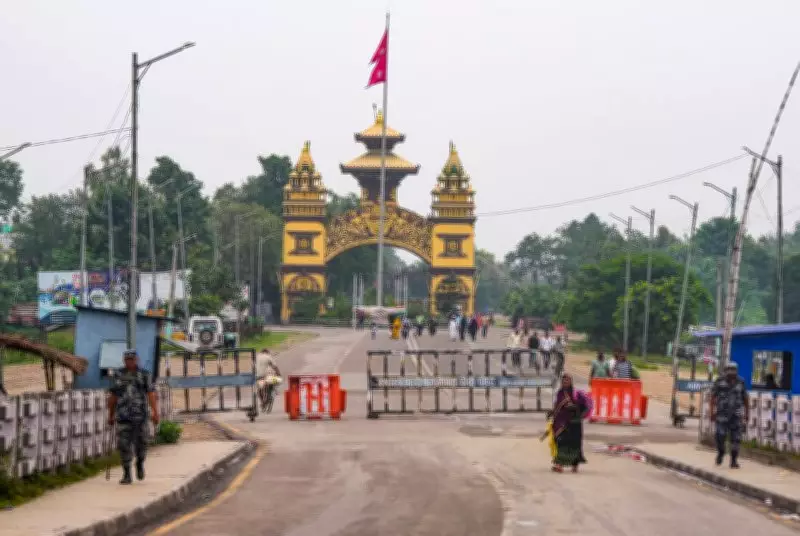
The India-Nepal border is an open border with minimal restrictions, making it vulnerable to illegal activities. The introduction of facial recognition could mark a significant shift in border management, balancing security with the traditional open-border policy.