

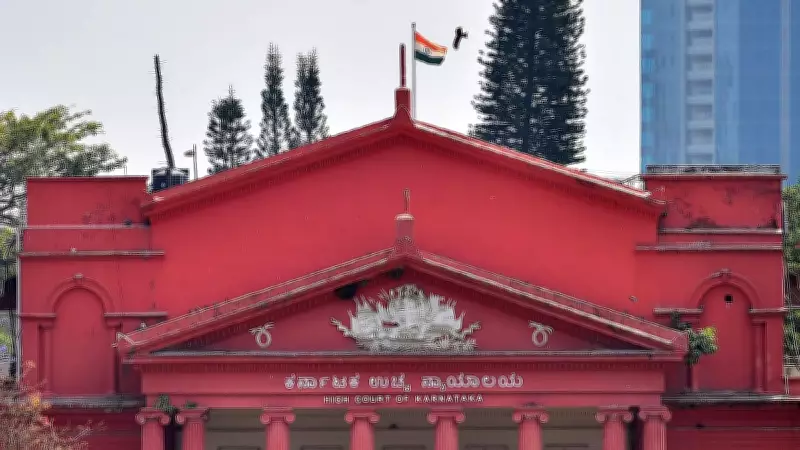
The Karnataka High Court has cancelled the anticipatory bail granted to Vachanananda Swami in a case registered under the Protection of Children from Sexual Offences (Pocso) Act. The court, however, extended the protection from arrest for a further three weeks to enable the Swami to seek regular bail as per law.
Court Order and Implications
Justice K. Natarajan, presiding over the single-judge bench, passed the order on June 25, 2026. The cancellation of advance bail means that Vachanananda Swami must now approach the trial court for regular bail, with the interim protection remaining in effect for the next 21 days. The case involves allegations of sexual assault against a minor, prompting strict scrutiny under the Pocso Act.
Background of the Case
The anticipatory bail was originally granted by a lower court, which the prosecution challenged before the High Court. The state argued that the Swami, a prominent religious figure, could influence witnesses and tamper with evidence if allowed to remain free without conditions. The High Court, after hearing both sides, found merit in the prosecution's concerns and set aside the earlier bail order.

According to the prosecution, the alleged incident occurred at a religious institution in Karnataka, where the Swami is accused of inappropriate behavior with a minor. The victim's family filed a complaint under the Pocso Act, leading to the registration of a case. The Swami had denied all allegations and claimed that the case was a conspiracy to defame him.
Legal Recourse and Next Steps
The High Court's decision allows the Swami three weeks to apply for regular bail before the trial court. During this period, he cannot be arrested if he cooperates with the investigation. Legal experts note that regular bail under Pocso cases is not granted lightly, and the Swami will have to demonstrate strong grounds for release. The case is expected to proceed with the trial court, where the victim's testimony and forensic evidence will play a crucial role.
Advocate General for the state argued that the Swami's position could intimidate the victim and witnesses, making regular bail a challenge. The defense, however, maintained that the Swami is innocent and has cooperated fully with the investigation. The High Court's order is seen as a balanced approach, ensuring justice while upholding legal procedures.






