

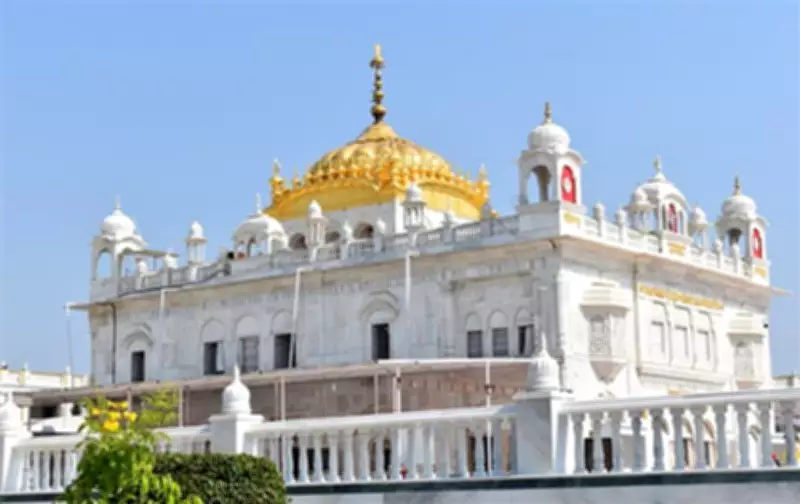
Maharashtra Cabinet Approves Repeal of 70-Year-Old Gurdwara Act
The Maharashtra government, led by Chief Minister Devendra Fadnavis, has approved a proposal to repeal the Nanded Sikh Gurdwara Sachkhand Sri Hazur Abchalnagar Sahib Act, 1956. The existing law will be replaced by the Takht Sachkhand Sri Hazur Abchalnagar Sahib Gurdwara Act, marking a significant overhaul of the legal framework governing the management of Takht Sachkhand Sri Hazur Sahib in Nanded, a shrine of immense historical and religious importance associated with Guru Gobind Singh.
New Legislation Aims to Modernize Administration
Ravinder Singh Bhungai, secretary of the Takht Sri Hazur Sahib Board, confirmed that the Cabinet has proposed repealing the 1956 Act. He stated that the draft of the new law has received Cabinet approval and will be finalized in consultation with the Law and Justice Department before being tabled in the state legislature during the ongoing monsoon session. Once approved, fresh rules governing the administration, elections, and bylaws of the gurdwara board will follow.
Revenue Minister Chandrashekhar Krishnarao Bawankule, who tabled the proposal, argued that several provisions of the 1956 Act have become outdated. He noted that the manifold increase in pilgrim footfall and related logistics have expanded the administrative scope, necessitating an entirely new regulatory framework. The push for a new law stems from recommendations by the state-appointed Justice Bhatia panel, which examined issues related to governance, management, and the electoral framework of the gurdwara board. The government maintains that a modernized legal structure aims to make administration more transparent, accountable, and efficient.

Takht Authorities Express Dissent
Bhungai revealed that Takht Jathedar Giani Kulwant Singh and other religious personalities have lodged their dissent with the government's move. They argue that the new law could lead to direct government intervention while curtailing the role of Sikh institutions in Takht affairs. The repeal comes against the backdrop of prolonged friction between Sikh bodies and the Maharashtra government over amendments to the same Act in recent years. Sikh organizations in India and abroad have termed such moves "direct interference" in religious affairs and alleged attempts at state control over a Takht.
Previous Amendment Controversy
In February 2024, the Maharashtra government had allowed direct nomination of 12 of the 17 members of the board. It also reduced the number of members sent by the Shiromani Gurdwara Parbandhak Committee (SGPC) from four to two, while abolishing nominations by the Chief Khalsa Diwan, Hazuri Sachkhand Diwan, and the membership of two Sikh MPs. Following strong protests by the SGPC and other Sikh organizations, the government was compelled to roll back the amendment.
Historical Significance of Takht Sri Hazur Sahib
Built by Maharaja Ranjit Singh, Takht Sachkhand Sri Hazur Sahib is one of the five highest seats of authority in Sikhism. Situated in Nanded, Maharashtra, it is the place where Guru Gobind Singh is believed to have breathed his last. The shrine holds immense religious significance for Sikhs worldwide, and any changes to its governance are closely watched by the community.






