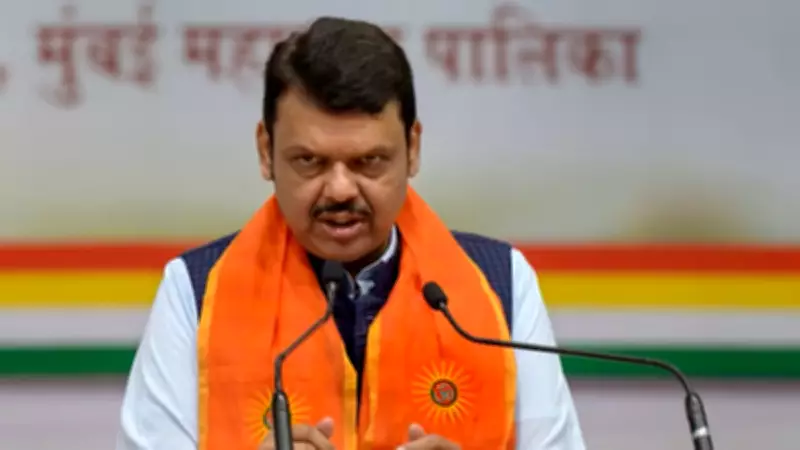
Maharashtra Chief Minister Devendra Fadnavis has announced a comprehensive tightening of dance bar regulations across the state, vowing to eliminate all legal loopholes that operators currently exploit. The decision comes amid growing concerns over the proliferation of unlicensed establishments and allegations of illegal activities in some venues.
New Measures to Close Loopholes
Fadnavis stated that the state government will introduce stricter licensing norms, enhanced surveillance, and frequent inspections to ensure compliance. “We will not tolerate any violations,” he said. “Operators must adhere to the law, and we will close every gap that allows them to bypass regulations.”
The revised rules will require dance bars to obtain fresh licenses from local authorities, with background checks on owners and staff. Establishments found operating without valid permits will face immediate closure and hefty fines. Additionally, the government plans to deploy special monitoring teams to conduct surprise checks, especially during late hours.

Background: The Dance Bar Controversy
Dance bars in Maharashtra have been a contentious issue for years. The state initially banned them in 2005, citing moral and social concerns, but the Supreme Court overturned the ban in 2013, allowing them to operate under strict conditions. Since then, many bars have exploited legal ambiguities to avoid compliance, leading to renewed calls for tighter oversight.
A recent government survey identified over 200 unlicensed dance bars in Mumbai alone, with many operating in residential areas and near schools. “These establishments often flout rules on timing, music volume, and employee welfare,” said a senior official from the Maharashtra Home Department.
Impact on Operators and Employees
Bar owners have expressed concern that the new rules could hurt their businesses. “We are already struggling with high taxes and competition from illegal joints,” said Ramesh Patel, president of the Maharashtra Bar Owners Association. “Stricter rules will only push more operators underground.”
However, the government argues that the measures aim to protect workers and patrons. “Many dancers face exploitation and unsafe working conditions,” Fadnavis noted. “Our regulations will ensure their safety and dignity.”
The new framework includes mandatory registration of dancers, provision of medical insurance, and strict prohibition of any form of coercion. Bars failing to comply could lose their licenses permanently.
Enforcement and Timeline
The Maharashtra government has set a three-month deadline for all dance bars to obtain fresh licenses. After that, a state-wide crackdown will target non-compliant establishments. The Mumbai Police has already been instructed to prepare a list of all active dance bars and verify their documentation.
Fadnavis also hinted at legislative changes if needed. “If existing laws are insufficient, we will amend them to ensure no operator can evade accountability,” he said.