Rajkot Man Files FIR Alleging Assault, Illegal Moneylending, and Forced Flat Sale Agreement
In a disturbing case from Rajkot, a 28-year-old man has lodged a formal police complaint against seven individuals, including a father-son duo, for alleged assault, criminal intimidation, illegal moneylending, and coercing him into signing an agreement to sell his flat. The incident, which has sent shockwaves through the local community, highlights the perils of unregulated lending practices and the severe consequences faced by victims.
Details of the Police Complaint and Legal Charges
The complainant, identified as Dharmesh Siddhpura, approached the Taluka police station in Rajkot to file an FIR against Prashant Taraviya, his father Shailesh Taraviya, and five others: Karan Pethani, Yes Limbasiya, Sahil Gajipara, Prabhat Ahir, and Yash Khunt. The police have registered an offence under multiple sections of the newly enacted Bharatiya Nyaya Sanhita (BNS), specifically Sections 115(2), 137(2), 308(5), 352, and 127(2). Additionally, relevant sections of the Gujarat Money Lenders Act and the Arms Act have been invoked, underscoring the gravity of the allegations.
Sequence of Events Leading to the Allegations
According to the FIR, the ordeal began approximately two months ago when Siddhpura visited Taraviya's garage to get his car washed. During this visit, he mentioned needing Rs 3 lakh for business purposes. Prashant Taraviya offered to lend him the money on interest, with Siddhpura agreeing to provide his car as collateral and issue a cheque as security.

On October 18, Taraviya summoned Siddhpura to the garage, stating that the money was ready. Upon arrival, Siddhpura found Prashant Taraviya, Yes Limbasiya, and Karan Pethani present. He was allegedly handed Rs 2.40 lakh in cash and informed that Rs 15,000 had been deducted upfront as a 5% interest payment, with the remaining Rs 45,000 promised later.
Escalation of Threats and Coercive Tactics
A month later, Taraviya demanded repayment, claiming that Rs 60,000 had been deducted as 20% interest. Siddhpura protested, asserting that the agreed rate was only 5% and that he could not afford such a high amount. Despite his objections, he transferred Rs 1 lakh online to Taraviya's account on October 29 in an attempt to placate the situation.
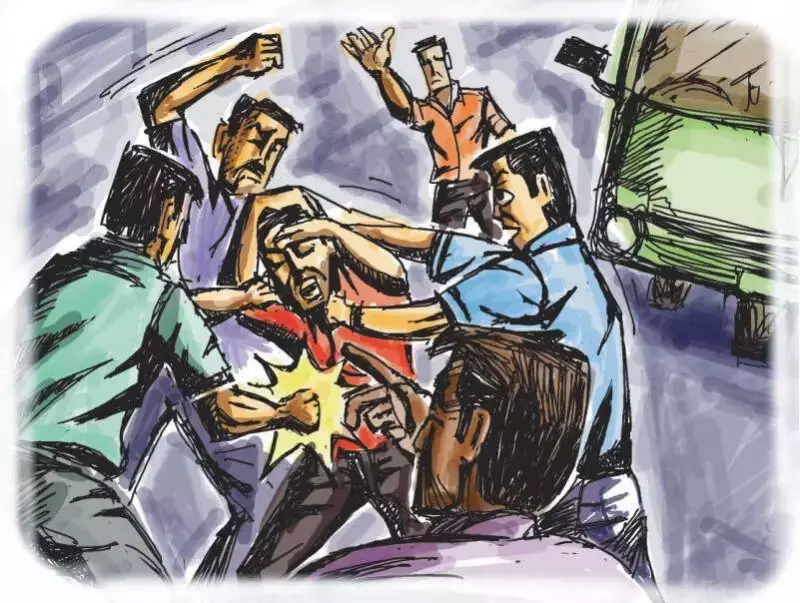
However, the predatory behaviour intensified. On December 6, Siddhpura was called back to the garage, where Prashant Taraviya, Shailesh Taraviya, and the other accused were assembled. Shailesh Taraviya allegedly instructed him to either execute an agreement to sell his flat or repay the loan immediately. Siddhpura claims he was assaulted at the garage and then forcibly taken to a lawyer's office near Mawdi Chowk. There, an agreement to sell his flat for Rs 3.50 lakh was drafted, and he was compelled to sign it under duress.
Alleged Use of Firearms and Death Threats
The situation took an even more sinister turn when Yash Khunt reportedly retrieved a revolver-like firearm from a car, pointed it at Siddhpura's head, and threatened to kill him if he failed to comply with the payment demands. This act of criminal intimidation has added a severe layer of danger to the already volatile case, prompting authorities to take swift action.
Broader Implications and Community Concerns
This case sheds light on the dark underbelly of illegal moneylending operations in Gujarat, where vulnerable individuals often fall prey to exorbitant interest rates and violent enforcement tactics. The involvement of multiple accused persons, including the use of firearms, underscores the organized nature of such activities and the urgent need for stricter enforcement of existing laws.
Local residents and business owners in Rajkot have expressed concern over the incident, calling for increased police vigilance and public awareness campaigns to prevent similar occurrences. The Taluka police station is currently investigating the matter, with efforts focused on gathering evidence and ensuring the safety of the complainant.

As the legal proceedings unfold, this case serves as a stark reminder of the risks associated with informal lending and the importance of seeking financial assistance through legitimate channels. The outcome of this investigation could set a precedent for how similar cases are handled in the future, potentially leading to stronger regulatory measures against illegal moneylending in the region.