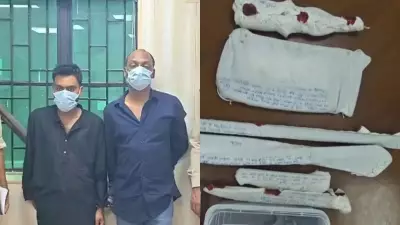
Remote Control Exam Scam Busted in Delhi's Dwarka, Seven Arrested
In a significant crackdown on academic dishonesty, the Delhi Police have dismantled a sophisticated remote control exam scam operating in the Dwarka area. The operation led to the arrest of seven individuals, including the alleged mastermind, for orchestrating a cheating scheme during competitive examinations.
How the Scam Operated
The scam involved the use of advanced electronic devices to facilitate cheating. According to police reports, the accused employed miniature cameras, Bluetooth-enabled earpieces, and remote-controlled transmitters to relay exam questions and answers in real-time. Candidates would wear discreet earpieces, while accomplices outside the exam center used laptops and mobile phones to solve the questions and transmit the solutions back.
This method allowed candidates to bypass strict security measures typically enforced during high-stakes tests, such as those for government jobs or educational admissions. The devices were carefully concealed to avoid detection by invigilators and metal detectors, highlighting the elaborate nature of the fraud.

Police Investigation and Arrests
The Delhi Police acted on a tip-off and conducted a raid at a suspected location in Dwarka. During the operation, they seized a cache of electronic equipment, including multiple cameras, earpieces, transmitters, and computing devices. The arrested individuals range from the technical operators who managed the gadgets to the intermediaries who recruited candidates.
The mastermind, identified as a tech-savvy individual with prior knowledge of exam systems, is believed to have charged substantial fees from aspirants, promising guaranteed success in competitive exams. Police are investigating the extent of the scam, including how many exams were compromised and the total financial gains involved.
Implications for Exam Integrity
This bust underscores the growing challenges in maintaining the integrity of competitive examinations in India. With technology becoming more accessible, such scams pose a serious threat to fair assessment processes. Authorities have emphasized the need for enhanced surveillance and stricter protocols at exam centers to prevent similar incidents.
- Increased use of jammers to block electronic signals during exams.
- Mandatory thorough frisking and use of advanced detection tools.
- Collaboration with cybersecurity experts to monitor online cheating networks.
The case has been registered under relevant sections of the Indian Penal Code for cheating and criminal conspiracy, and further investigations are ongoing to identify any additional accomplices or affected exams.