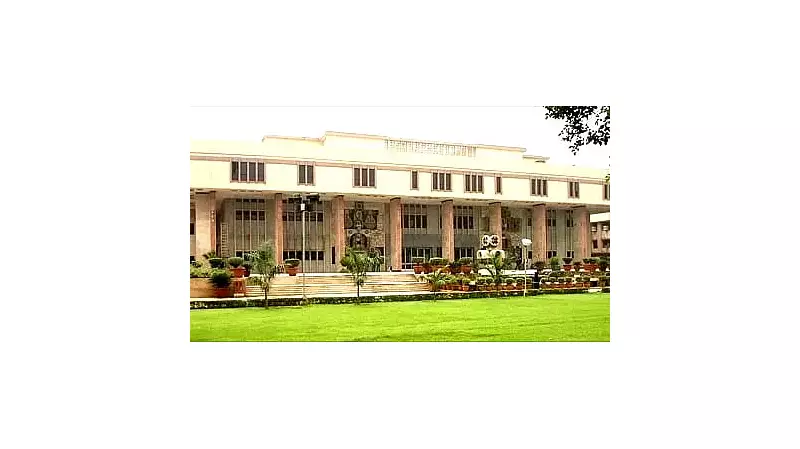
A high-stakes legal battle has erupted in the Delhi High Court, pitting two former members of the prestigious Indian Administrative Service (IAS) from the Jammu & Kashmir cadre against each other. The core of the dispute is a defamation suit valued at a staggering Rs 2.55 crore, showcasing how serious allegations can spiral within India's bureaucratic and media ecosystems.
The Legal Arena and Key Figures
The case, which has drawn significant attention, is officially listed before Justice Purushindra Kumar Kaurav of the Delhi High Court. The involvement of such senior former civil servants from a sensitive cadre like Jammu & Kashmir adds a layer of complexity and public interest to the proceedings. While the specific identities of the two ex-IAS officers are detailed in court filings, the suit underscores a personal and professional rift with substantial financial and reputational consequences.
Allegations and the Ripple Effect
At the heart of this lawsuit are claims of unverified allegations made by one officer against the other. The legal filing suggests that these accusations were not substantiated with evidence before being circulated. This scenario has become a telling example of how swiftly such claims can travel through interconnected networks of bureaucracy and media channels.
The consequences of this rapid dissemination are portrayed as severely damaging. For individuals who have held high public office, reputation is paramount, and the suit argues that the spread of these allegations has caused irreparable harm to the professional standing and personal dignity of the plaintiff.
Broader Implications for Public Service
This case transcends a mere personal dispute. It raises pertinent questions about accountability and responsibility in public discourse, especially among former officials. The Rs 2.55 crore compensation sought is not just a figure; it symbolizes the quantifiable impact of reputational damage in the digital age, where information, true or false, spreads instantaneously.
Observers note that the outcome could set a precedent for how similar conflicts within the civil services or other professional spheres are handled legally. It highlights the need for verification and due diligence before allegations are made public, a lesson relevant for both traditional media and social media platforms.
The proceedings, which were listed as of 01 December 2025, are being closely watched. As Justice Kaurav oversees the matter, the legal arguments will likely delve into the nuances of defamation law, the right to reputation, and the duties of former public servants. This case serves as a stark reminder that words carry weight, and when they are wielded without care, the fallout can be both professionally catastrophic and extraordinarily costly.