Supreme Court Directs MP High Court to Hear Muslim Side's Objections in Bhojshala-Kamal Maula Mosque Case
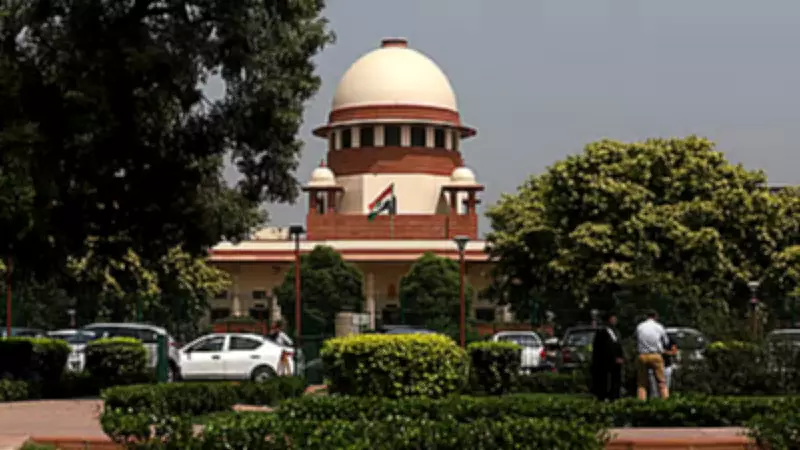
In a significant development in the long-standing Bhojshala-Kamal Maula mosque dispute, the Supreme Court of India has issued a directive to the Madhya Pradesh High Court. The apex court has asked the high court to consider the objections raised by the Muslim side concerning a survey conducted at the contested site. This move comes as part of the ongoing legal proceedings to resolve the complex historical and religious claims over the property.
Court Clarifies Position on Case Merits
The Supreme Court bench, in its order, made a crucial clarification that it has not expressed any opinion on the merits of the case. This statement underscores the court's intent to ensure a fair and impartial judicial process, without prejudging the outcome. The bench emphasized that all parties involved retain the right to approach the high court for any grievances or further legal recourse, maintaining the integrity of the judicial system.
Background of the Bhojshala-Kamal Maula Mosque Dispute
The Bhojshala-Kamal Maula mosque case revolves around a site in Dhar, Madhya Pradesh, which is claimed by both Hindu and Muslim communities. Hindus regard it as the Bhojshala, a temple dedicated to the goddess Saraswati, while Muslims identify it as the Kamal Maula mosque. The dispute has historical roots dating back centuries, with both sides presenting archaeological and historical evidence to support their claims. Recent surveys have been conducted to assess the site's features, sparking legal challenges from the Muslim community.

Implications of the Supreme Court's Directive
By directing the Madhya Pradesh High Court to hear the Muslim side's objections, the Supreme Court aims to address procedural concerns and ensure that all voices are heard in the dispute. This step could potentially influence the pace and direction of the case, as the high court will now need to evaluate the survey-related issues before proceeding further. Legal experts suggest that this intervention may help streamline the process and reduce future appeals by addressing grievances at an earlier stage.
Key Points from the Supreme Court Order:
- The Supreme Court has not ruled on the merits of the Bhojshala-Kamal Maula mosque case.
- Parties are free to seek redressal from the Madhya Pradesh High Court for any issues.
- The directive focuses on procedural fairness regarding the survey objections.
This development highlights the judiciary's role in balancing religious sensitivities with legal principles in India's diverse society. As the case progresses, stakeholders await further hearings in the high court, which will play a pivotal role in shaping the final outcome of this contentious dispute.