

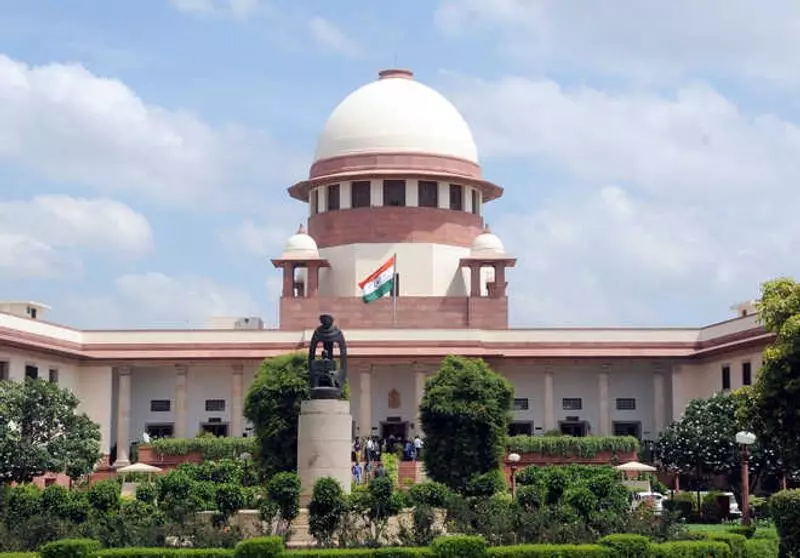
Supreme Court Exposes New Admission Fraud in Haryana
The Supreme Court of India has raised a red flag over a novel and concerning type of fraud emerging in Haryana. This fraudulent activity involves individuals from upper-caste backgrounds converting to Buddhism with the primary intention of availing minority quota benefits for educational admissions. The apex court's observations have sparked a significant debate on the misuse of reservation policies and the integrity of minority status claims in the state.
Details of the Fraudulent Scheme
According to reports, the fraud centers on upper-caste residents in Haryana who undergo religious conversion to Buddhism. Following this conversion, they apply for admissions to educational institutions under the minority quota reserved for Buddhists. This practice exploits legal provisions designed to protect and uplift historically marginalized communities, thereby undermining the very purpose of such affirmative action measures.
The Supreme Court has taken a stern view of this trend, emphasizing that such conversions appear to be motivated solely by the desire to secure admission advantages rather than genuine religious belief or social upliftment. This has led to concerns about the dilution of minority rights and the potential for widespread abuse if left unchecked.

Legal and Ethical Implications
The case highlights several critical legal and ethical issues. Firstly, it questions the authenticity of religious conversions when they are driven by ulterior motives such as quota benefits. The court's intervention suggests a need for stricter scrutiny of conversion claims in the context of reservation policies.
Secondly, this fraud impacts the educational opportunities of genuine minority candidates, particularly Buddhists who rely on these quotas for access to higher education. By allowing fraudulent claims, the system risks depriving deserving students of their rightful seats, perpetuating inequality instead of alleviating it.
Moreover, the situation in Haryana reflects broader challenges in India's reservation framework, where loopholes are often exploited. It calls for a reevaluation of how minority status is verified and enforced to prevent such misuse in the future.
Supreme Court's Response and Future Steps
In response to this issue, the Supreme Court has flagged the fraud as a serious matter requiring immediate attention. The court's remarks are expected to prompt legal reforms or guidelines to curb such practices. Authorities in Haryana may need to implement more rigorous verification processes for minority quota applicants, including checks on the timing and sincerity of religious conversions.
This development also underscores the importance of public awareness and ethical conduct in upholding the spirit of reservation policies. As the case progresses, it could set a precedent for handling similar frauds across India, ensuring that affirmative action serves its intended beneficiaries without compromise.






