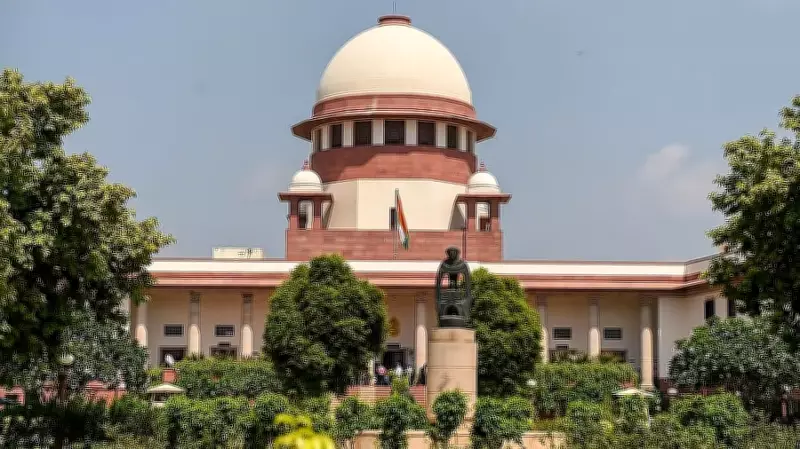
The Supreme Court of India has delivered a significant ruling clarifying that the Protection of Children from Sexual Offences (POCSO) Act is applicable when the victim of commercial sex trafficking is a minor. A bench comprising Justices J B Pardiwala and R Mahadevan issued a series of directions on Friday aimed at addressing the concerns of sex workers while establishing a clear legal framework for prosecuting perpetrators and rehabilitating victims.
Key Directions Issued by the Supreme Court
The bench emphasized that the POCSO Act provides stringent protections for minors, and its provisions cannot be overridden by any other law when a child is involved in commercial sexual exploitation. The court directed law enforcement agencies to treat all cases involving minor victims under the POCSO Act, ensuring that traffickers face severe penalties.
Rehabilitation and Support for Victims
In addition to prosecution, the court stressed the importance of rehabilitating victims. It ordered the establishment of specialized support systems, including counseling, shelter, and vocational training, to help victims reintegrate into society. The bench also called for sensitization programs for police and judicial officers to handle such cases with care.

Distinction Between Adult and Minor Victims
The ruling draws a clear distinction between adult sex workers and minor victims of trafficking. While the court acknowledged the rights of adult sex workers to dignity and non-discrimination, it reiterated that any commercial sexual exploitation of minors constitutes a grave offense under the POCSO Act. The bench noted that consent is irrelevant when the victim is below 18 years of age.
Legal Implications
This judgment reinforces the primacy of child protection laws in India. Legal experts believe that the clarification will prevent lower courts from misinterpreting laws in trafficking cases, ensuring that minors receive the full protection of the POCSO Act. The court also directed the central and state governments to implement these guidelines promptly.
The Supreme Court's decision comes amid growing concerns over human trafficking in India, with reports indicating that thousands of minors are forced into commercial sex work each year. The ruling is expected to strengthen the fight against child trafficking and provide a robust legal framework for justice.