Supreme Court Questions Government's Litigation Strategy in CISF Official Case
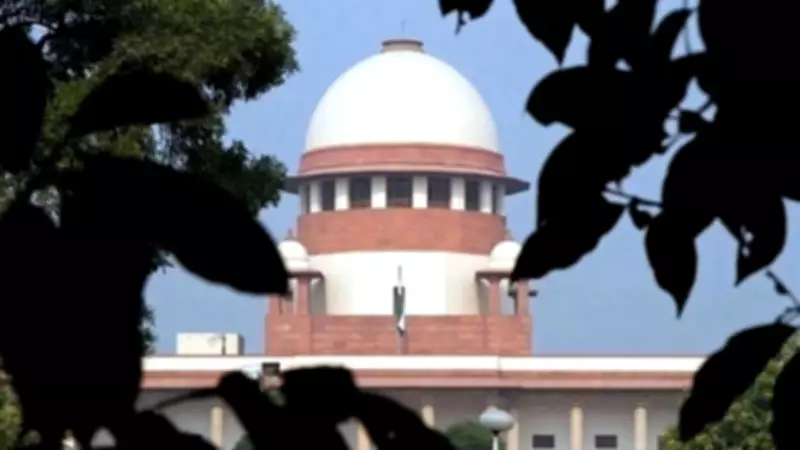
The Supreme Court of India has strongly criticized the Central government for its approach to litigation, particularly in a recent case involving a CISF official. During a hearing, the court raised pointed questions about the Centre's decision to file an appeal against a high court ruling that had favored the official. This incident has brought renewed attention to the broader issue of the government being one of the largest litigants in the country's judicial system, often contributing to case backlogs and delays.
Background of the CISF Official's Case
The case centers on a CISF (Central Industrial Security Force) official who faced disciplinary action due to an absence of 11 days from duty. The high court had previously ruled in favor of the official, noting that this period was fully explained as sanctioned medical leave. The court emphasized that the official had provided proper documentation and followed due procedures, making the absence legitimate and not grounds for penalty. Despite this clear ruling, the Centre chose to appeal the decision, leading to the Supreme Court's intervention and criticism.
Supreme Court's Criticism and Broader Implications
During the proceedings, the Supreme Court expressed concern over the government's tendency to pursue unnecessary appeals, which can strain judicial resources. The justices highlighted that such practices not only burden the courts but also affect individuals like the CISF official, who must endure prolonged legal battles. The court's remarks underscored a growing frustration with the Centre's litigation habits, often seen as contributing to India's massive backlog of cases. This case serves as a stark example of how government appeals can delay justice and increase costs for all parties involved.

Analysis of Government as a Major Litigant
Statistics and reports have consistently shown that the Indian government, including various departments and agencies, is among the biggest litigants in the country. This status raises questions about efficiency and the need for better dispute resolution mechanisms. Experts argue that many government appeals could be avoided through internal reviews or alternative methods, reducing the load on courts. The Supreme Court's criticism in this case may prompt policy changes aimed at curbing frivolous litigation and promoting faster resolutions in administrative matters.
Key points from the case include:
- The high court ruled that the CISF official's 11-day absence was justified as medical leave.
- The Centre's appeal was seen as unnecessary by the Supreme Court, leading to sharp rebuke.
- This incident highlights ongoing issues with government litigation practices in India.
In conclusion, the Supreme Court's stance in this CISF case reflects a broader judicial concern over excessive government litigation. As the Centre faces scrutiny, there is hope for reforms that could streamline legal processes and reduce the burden on India's courts, ultimately benefiting citizens and officials alike.