

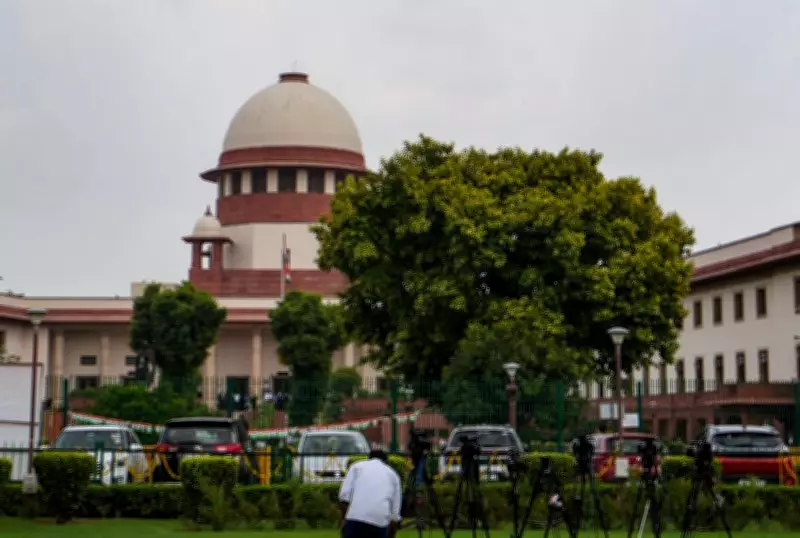
Supreme Court Reserves Verdict on Environmental Clearance Pleas for Projects
The Supreme Court of India has reserved its judgment on a series of petitions that challenge the process and decisions related to the grant of environmental clearances to various development projects across the country. This move underscores the ongoing legal scrutiny over environmental governance and regulatory frameworks in India, with potential implications for future project approvals and environmental protection measures.
Background of the Petitions
The petitions before the Supreme Court involve multiple cases where environmental clearances have been contested by activists, local communities, and non-governmental organizations. These clearances are essential for projects in sectors such as infrastructure, mining, and industrial development, as they assess the environmental impact and ensure compliance with laws like the Environment Protection Act, 1986. The court's decision to reserve the verdict indicates a thorough examination of the legal arguments and evidence presented by all parties involved.
Key Issues Under Consideration
The Supreme Court is evaluating several critical issues, including the transparency and fairness of the environmental clearance process, the adequacy of public consultations, and the adherence to sustainable development principles. Environmental activists argue that some clearances have been granted without proper assessment or consideration of long-term ecological damage, while project proponents emphasize the need for timely approvals to support economic growth and development goals.

The court's verdict is expected to set important precedents for how environmental laws are interpreted and enforced in India, potentially influencing future policy decisions and regulatory practices. This case highlights the delicate balance between development and environmental conservation, a topic of significant public and political debate.
Implications for Future Projects
Depending on the outcome, the Supreme Court's ruling could lead to stricter scrutiny of environmental clearances, delays in project implementations, or reforms in the clearance process to enhance accountability and public participation. Stakeholders from various sectors are closely monitoring the proceedings, as the verdict may impact investment decisions, project timelines, and environmental sustainability efforts nationwide.
In recent years, India has seen increased litigation over environmental issues, reflecting growing public awareness and activism. This case is part of a broader trend where courts are playing a pivotal role in shaping environmental jurisprudence, ensuring that development projects align with constitutional mandates for a healthy environment.
Conclusion
The Supreme Court's decision to reserve the verdict marks a crucial phase in this legal battle, with the final judgment anticipated to provide clarity on environmental governance standards. As India continues to pursue economic growth, this case underscores the importance of robust environmental safeguards and judicial oversight to protect natural resources and public health for future generations.






