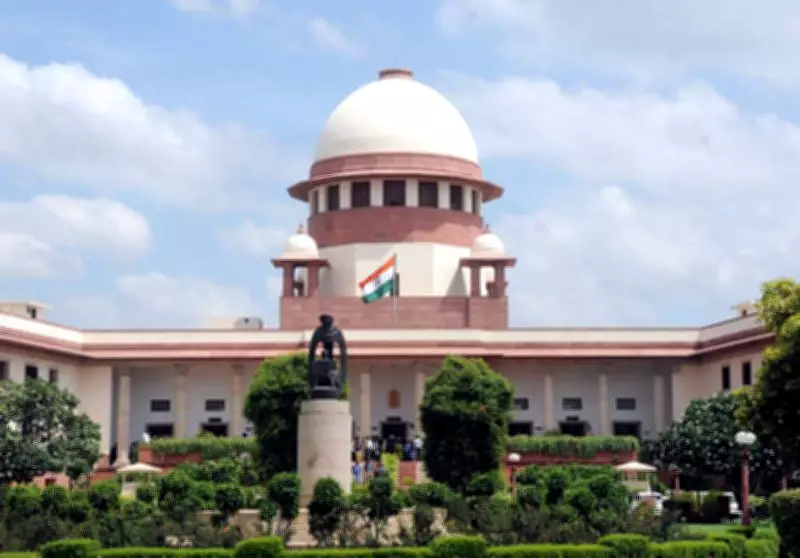
The Supreme Court of India has held that when a will is surrounded by suspicion, mere proof of execution by witnesses is not sufficient to establish its validity. The bench stated that propounders must dispel all doubts through clear and convincing evidence.
Background of the Case
The ruling came in an appeal challenging a High Court judgment that had granted probate of a will. The Supreme Court observed that the will in question was shrouded in suspicious circumstances, including the testator's advanced age and questionable mental state at the time of execution.
Legal Principle Reiterated
Justice Vikram Nath, writing for the bench, reiterated the settled legal position that a will must be proved like any other document, but when suspicious circumstances exist, the onus on the propounder is heavier. “The mere fact that the will was attested by witnesses does not automatically make it genuine if there are serious doubts,” the court noted.

Key Observations
The court highlighted several red flags: the will was executed shortly before the testator's death, the propounder was in a dominant position, and the natural heirs were excluded without plausible explanation. “In such cases, the court must scrutinize the evidence with greater care,” the judgment stated.
Impact on Succession Law
Legal experts say this decision reinforces the need for propounders to actively dispel suspicion, not just rely on formal attestation. The ruling is expected to impact pending probate cases across the country, especially those involving elderly testators or disputed family settlements.