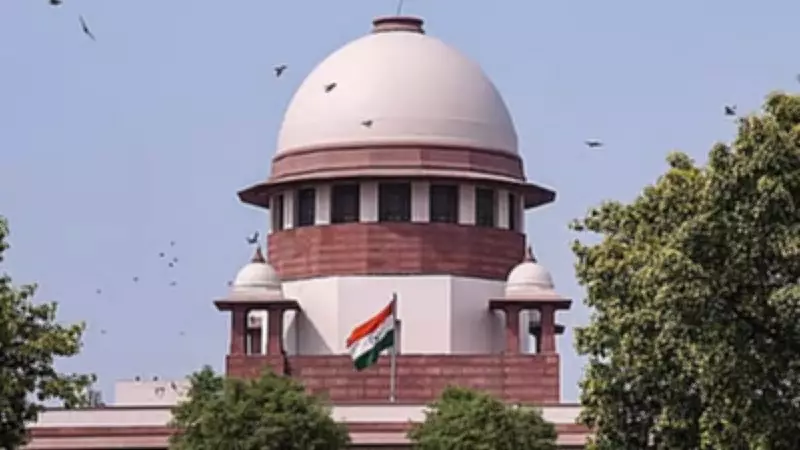
Supreme Court Urges Lawyer with 25 PILs to Use Proper Channels
The Supreme Court of India has issued a significant directive to a lawyer who has filed an extensive number of public interest litigations (PILs), advising him to first approach the appropriate authorities before seeking judicial intervention. This move underscores the court's commitment to judicial restraint and the efficient handling of legal matters.
Details of the Case and the Court's Stance
According to reports, the lawyer in question had submitted a total of 25 PILs to the Supreme Court, covering a wide range of issues. The court, in its response, emphasized that many of these matters could be resolved through administrative or lower judicial bodies, rather than being brought directly to the highest court. The bench highlighted the importance of exhausting all available remedies at the lower levels before escalating cases to the Supreme Court.
This decision reflects a broader judicial philosophy aimed at reducing the burden on the apex court and ensuring that it focuses on cases of national importance or those involving substantial questions of law. The court noted that PILs are a vital tool for addressing public grievances, but they must be used judiciously to avoid clogging the judicial system.

Implications for Legal Practice and Public Interest Litigation
The Supreme Court's advice serves as a reminder to legal practitioners and activists about the proper use of PILs. By directing the lawyer to approach relevant authorities, the court is reinforcing the principle that not every issue requires immediate Supreme Court attention. This approach is expected to streamline legal processes and encourage more efficient resolution of disputes at the grassroots level.
Experts believe that this ruling could set a precedent for how similar cases are handled in the future, potentially reducing frivolous or premature PIL filings. It also aligns with ongoing efforts to decongest the judiciary and promote access to justice through appropriate channels.Broader Context and Judicial Trends
This incident occurs against the backdrop of increasing scrutiny on the use of PILs in India. While PILs have historically been instrumental in advancing social justice and environmental causes, there have been concerns about their misuse for personal or political gains. The Supreme Court's stance in this case is part of a larger trend towards judicial moderation and the promotion of responsible litigation practices.
Key points from the court's directive include:
- Encouraging lawyers and petitioners to first seek redress from competent authorities.
- Emphasizing the need for PILs to address genuine public interest issues rather than individual grievances.
- Highlighting the role of lower courts and administrative bodies in resolving disputes efficiently.
This development is likely to influence how public interest litigation is perceived and practiced in India, balancing the need for judicial oversight with the importance of procedural correctness.