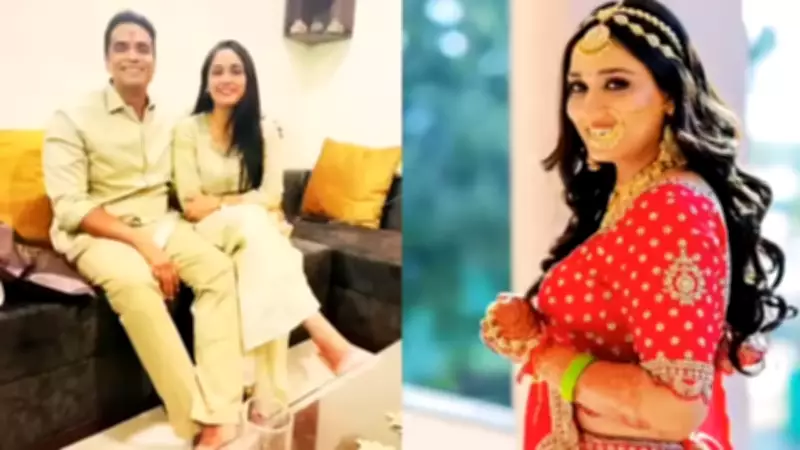
The Supreme Court on Monday emphasized the necessity of a fair and impartial investigation into the Twisha Sharma death case while cautioning all involved parties against making public statements that could potentially influence the probe. Hearing the suo motu matter concerning alleged procedural lapses, Chief Justice Surya Kant observed that the unfortunate incident must be investigated fairly, independently, and impartially, noting that both sides have been approaching the media. The bench reiterated that the case has already been transferred to the Central Bureau of Investigation (CBI).
Concerns Over Leaked Statements
Senior Advocate Siddharth Dave, representing the accused, raised concerns about statements recorded under Section 161 of the Code of Criminal Procedure being leaked to the press immediately after recording. He informed the court that his client's statements appeared in newspapers the following day. Solicitor General Tushar Mehta, appearing for the Madhya Pradesh government, alleged that the accused's mother, a former district judge, had been appearing on multiple television channels, allegedly maligning the deceased. However, Mehta also acknowledged that media scrutiny had brought several aspects of the case to public attention and urged that the matter should not be sensationalized.
Court's Appeal for Restraint
Chief Justice Kant responded that the court's primary concern is to avoid making statements that could prejudice the investigation, adding that the case came to the court's notice through media reports. He requested all parties to make their statements before the investigating agency rather than in public forums. The Chief Justice also urged the media not to reduce the grief of the victim's family into sound bites.

Senior Advocate Siddharth Luthra, appearing for the victim's family, alleged procedural irregularities in the initial investigation, including a three-day delay in registering the First Information Report (FIR) and failure to preserve evidence. He also questioned why the accused's mother was producing her own Call Detail Records (CDRs) before investigators. The bench repeatedly urged restraint from all parties, with the Chief Justice stating, "We are requesting all of you not to make premature statements."
Broader Observations on Matrimonial Disputes
During the hearing, Solicitor General Mehta made a broader observation on matrimonial disputes, stating, "Without attributing motives to either side, the moral of the story is clear that it is better to have a divorced daughter than a dead one." The legal proceedings in the Twisha Sharma death case have now reached the Supreme Court, which has taken suo motu cognisance under the title: In Re Alleged Institutional Bias and Procedural Discrepancies in the Unnatural Death of a Young Woman at Matrimonial Home.
Background of the Case
A bench headed by Chief Justice Surya Kant is hearing the case amid allegations by the victim's family of procedural lapses and institutional bias in the initial investigation into the 26-year-old actor-model's death in Bhopal earlier this month. Speaking after the cremation on Sunday, Twisha's father Navnidhi Sharma welcomed the apex court's intervention, describing it as a crucial step toward ensuring accountability. He expressed gratitude for the support and expressed hope that the case would become an example and restore people's faith in the judicial process. Twisha Sharma's last rites were performed at a crematorium in Bhopal by her brother, Major Harshit Sharma, after her mortal remains were handed over to the family following a second autopsy conducted by a medical board from AIIMS Delhi. The family had earlier refused to accept the body and demanded an independent post-mortem examination, alleging inconsistencies in the initial autopsy and raising questions over the circumstances surrounding her death at her matrimonial home.