The Vishva Hindu Parishad (VHP) has strongly criticised the Faizabad Bar Association for passing a resolution that directs its members to refrain from defending individuals accused of theft at the Ram Temple in Ayodhya. The VHP termed the resolution as a violation of the fundamental principles of legal ethics and the rule of law.
VHP's Reaction to the Bar Resolution
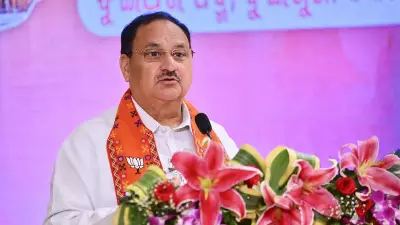
In a statement issued on Tuesday, VHP national spokesperson Vinod Bansal said, “The Faizabad Bar Association’s decision is against the basic tenets of the legal profession. Every accused has the right to a fair trial and legal representation, as guaranteed by the Constitution. By refusing to defend the accused, the bar association is undermining the judicial process.”
The controversy erupted after the Faizabad Bar Association passed a resolution on June 28, 2026, stating that its members would not represent any person accused of stealing donations or valuables from the Ram Temple complex. The resolution claimed that defending such individuals would be against the religious sentiments of the Hindu community.

Background of the Theft Case
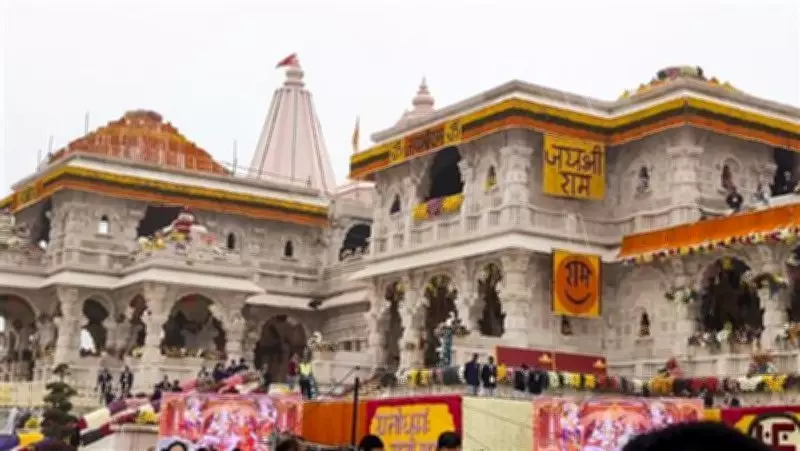
The case pertains to the alleged theft of donation boxes and other items from the Ram Temple premises in Ayodhya. Earlier this year, the Ayodhya police registered a case against unidentified persons for stealing cash and offerings from the temple’s donation boxes. The investigation is ongoing, and no arrests have been made so far.
Meanwhile, the Ayodhya police recorded the statement of Champat Rai, former general secretary of the Shri Ram Janmabhoomi Teerth Kshetra Trust, on June 29. Rai had resigned from his position days earlier, though the reasons for his resignation remain unclear. Police sources said his statement was recorded in connection with the theft case, but they did not provide further details.
Legal Experts Weigh In
Legal experts have expressed concern over the bar association’s resolution, stating that it sets a dangerous precedent. Senior advocate and former Bar Council of India chairman Manan Kumar Mishra said, “Advocates have a duty to defend their clients regardless of the nature of the crime. A bar association cannot dictate its members to refuse representation based on religious or sentimental grounds. This is a clear violation of the Advocates Act and professional ethics.”
The Bar Council of Uttar Pradesh has also taken note of the resolution and is likely to issue a notice to the Faizabad Bar Association seeking an explanation. “We are examining the matter. Such resolutions can harm the credibility of the legal profession,” said a Bar Council member.
Political Reactions
The resolution has drawn mixed reactions from political quarters. While some Hindu groups have supported the bar association’s move, opposition parties have condemned it. Samajwadi Party spokesperson Rajendra Chaudhary said, “This is a blatant attack on the justice system. The bar association is acting as a vigilante group, which is unacceptable in a democracy.”
The VHP, however, has rejected any political motives behind its criticism. “Our objection is purely based on legal and constitutional grounds. We respect the sentiments of devotees, but that cannot override the law of the land,” Bansal added.
Impact on the Legal Community
The resolution has sparked a debate within the legal community in Ayodhya and across Uttar Pradesh. Some young lawyers have expressed reluctance to defy the bar association’s directive, fearing social ostracism. “It is a difficult situation. We want to uphold the law, but we also have to live in this society,” said a junior advocate from Faizabad on condition of anonymity.
Senior lawyers, however, have urged the bar association to reconsider its decision. “The resolution is not binding on individual advocates. The right to practice law cannot be curtailed by such resolutions,” said a former president of the Faizabad Bar Association.
Conclusion
The VHP’s criticism of the Faizabad Bar Association highlights the tension between religious sentiments and legal principles in India. As the case unfolds, the legal fraternity awaits the response of the Bar Council of Uttar Pradesh and the larger implications for the right to legal representation in the country.