

Fiery Congressional Hearing Erupts Over Epstein Files Inquiry
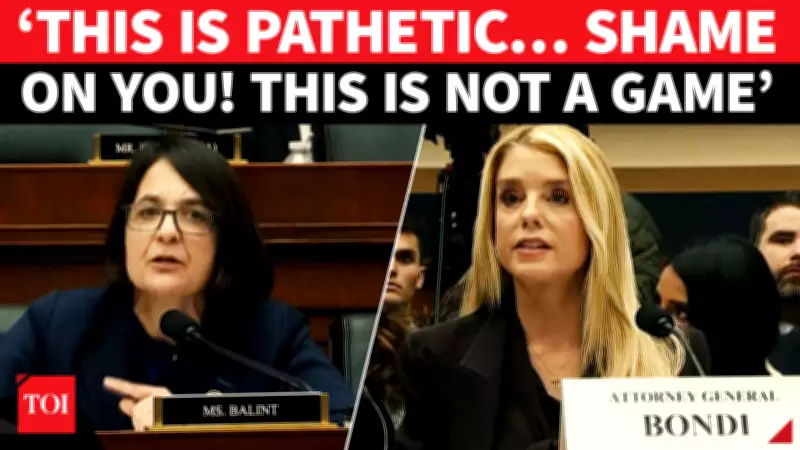
A routine congressional hearing descended into chaos and bitter recriminations on Wednesday as Attorney General Pam Bondi engaged in a blistering exchange with Democratic Representative Becca Balint of Vermont. The confrontation centered on questions about whether the Justice Department had interrogated various Trump administration officials regarding their connections to the late financier and convicted sex offender Jeffrey Epstein.
"Shame On You": Bondi's Sharp Rebuke To Balint's Questioning
When Representative Balint pressed Bondi about the Justice Department's investigative actions concerning former Trump officials and Epstein, the Attorney General declined to provide a direct response. Instead, Bondi pointed out that Commerce Secretary Howard Lutnick had already addressed similar inquiries on the matter. As Balint attempted to pursue the line of questioning further, Bondi delivered a sharp and personal rebuke, stating emphatically, "Shame on you."
This remark ignited an immediate and furious response from the visibly frustrated Vermont congresswoman. "This is pathetic," Balint retorted. "I am not asking trick questions. The American people deserve to know. These are senior Trump officials." The exchange highlighted the deep political divisions and heightened tensions surrounding investigations into the Epstein case, which continues to generate controversy and public interest years after his death.

Tensions Escalate With References To "Anti-Semitic Culture"
The already volatile situation intensified further when Attorney General Bondi referenced what she described as "anti-Semitic culture" and cited a specific resolution that she claimed Representative Balint had voted against. This additional layer of accusation injected cultural and ideological dimensions into the confrontation, transforming a policy disagreement into a broader clash over values and legislative records.
The hearing, which was intended to address departmental oversight and legal matters, instead became a platform for political theater and personal attacks. Observers noted that the Bondi-Balint confrontation represented one of the most contentious and emotionally charged moments in recent congressional proceedings, reflecting the polarized nature of contemporary American politics.
Broader Context Of Epstein Investigations And Political Fallout
The Epstein files have remained a persistent source of political controversy, with ongoing investigations and document releases periodically reigniting public debate. The question of which high-profile figures had associations with Epstein and whether they were properly scrutinized by law enforcement continues to fuel partisan disputes and media scrutiny.
Wednesday's explosive exchange between Bondi and Balint underscores how the Epstein case has transcended its original legal boundaries to become a potent symbol in political battles. The hearing demonstrated how inquiries into historical connections can quickly escalate into confrontations over transparency, accountability, and partisan loyalty.
As the dust settles from this heated congressional clash, the fundamental questions about the extent of investigations into Trump administration officials' Epstein ties remain largely unanswered. The episode serves as a stark reminder of the challenges facing congressional oversight in an era of deep political polarization and heightened public skepticism toward governmental institutions.






