The Cauvery Kriya Samiti has welcomed the Supreme Court's decision to reject Tamil Nadu's review petition against the proposed Mekedatu project in Karnataka. Addressing media persons in Mysuru on Thursday, Samiti president Jayaprakash stated, "We welcome the Supreme Court for rejecting Tamil Nadu's review petition against its November 2025 verdict, which had refused to entertain a petition against Karnataka's proposed Mekedatu project."
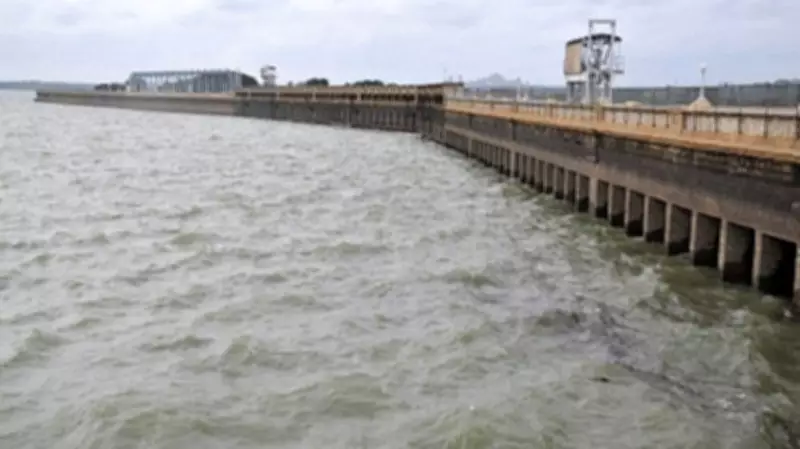
The Supreme Court's ruling is seen as a significant legal victory for Karnataka, as it reaffirms the state's right to proceed with the Mekedatu balancing reservoir and drinking water project across the Cauvery River. The project has been a contentious issue between Karnataka and Tamil Nadu, with the latter opposing it on grounds of water sharing agreements.
Jayaprakash emphasized that the Samiti has always maintained that the project is essential for meeting the drinking water needs of Bengaluru and surrounding regions. He added that the court's decision validates Karnataka's stand and paves the way for the project's implementation.

Background of the Dispute
The Mekedatu project, proposed by Karnataka, aims to build a reservoir with a capacity of 67 thousand million cubic feet (TMC) at the confluence of the Cauvery and Arkavathi rivers. Tamil Nadu had filed a petition opposing the project, arguing that it would violate the final award of the Cauvery Water Disputes Tribunal and affect the water flow to its state.
Supreme Court's Verdict
In November 2025, the Supreme Court had dismissed Tamil Nadu's original petition, stating that it lacked merit. The recent rejection of the review petition further solidifies that decision. The court observed that the project does not infringe upon any existing water sharing agreements and is in the interest of providing drinking water to drought-prone areas.
The Cauvery Kriya Samiti has urged the Karnataka government to expedite the project's construction, noting that it will also help in flood control and groundwater recharge. The Samiti plans to hold further meetings to discuss the next steps and ensure that the project moves forward without delays.