

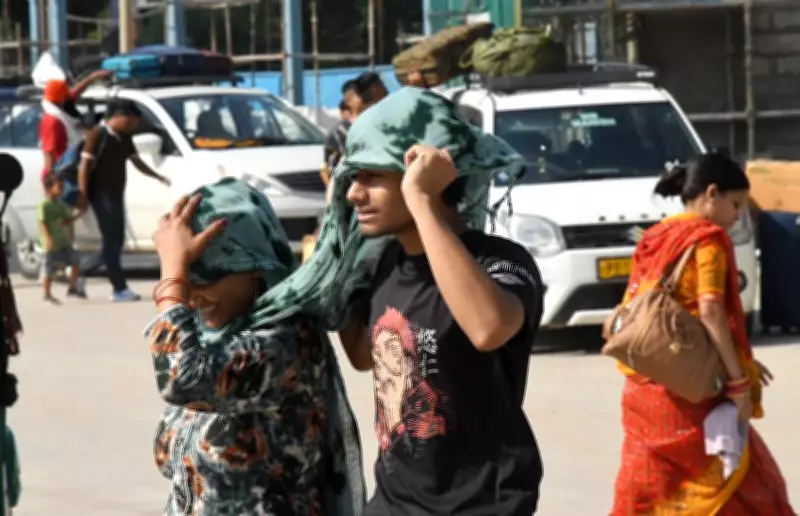
In a striking weather paradox, Chandigarh recorded both the highest daytime temperature and the lowest nighttime temperature across the entire Punjab-Haryana region on Tuesday, June 23, 2026. The India Meteorological Department (IMD) reported that the city's maximum temperature reached 39°C, a 4°C increase from the previous day, making it the second-hottest location in the region after Rohtak, which sizzled at 41.2°C. However, the minimum temperature plunged to 22.2°C, a sharp 5.4°C below normal, offering residents a cool reprieve after the scorching afternoon.
Temperature Extremes Across Punjab and Haryana
According to the IMD's evening bulletin, Chandigarh's maximum of 39°C outpaced all other stations in Punjab and Haryana except Rohtak. In Punjab, Patiala recorded 38.8°C, followed by Faridkot and Gurdaspur at 38°C. Haryana stations like Ambala (38.8°C), Karnal (38.6°C), and Hisar (37.9°C) remained cooler. The contrast between day and night in Chandigarh was stark: maximum relative humidity stood at 77%, while minimum humidity dropped to 31%, reflecting the volatile pre-monsoon conditions.
Yellow Alert Active but Tricity Remains Dry
The IMD has issued a yellow alert for thunderstorm, lightning, and gusty winds reaching 40-50 km/h over Chandigarh, Punjab, and Haryana through Friday, June 26. However, as of Tuesday, the alert had no impact on the Chandigarh Tricity, with no rainfall recorded in the past 24 hours. The forecast indicates partly cloudy skies and a gradual rise in temperatures from Wednesday, with maximums around 38-39°C and minimums between 25-26°C through the week. The weekend is expected to be completely dry, with the yellow alert likely to return on Monday due to fresh western disturbance activity.

Seasonal Rainfall Deficit Worsens
From June 1 to June 22, Chandigarh received only 39.3 mm of rainfall, a staggering 60% below the long-term average of 97.1 mm. Punjab's deficit stands at 25%, while Haryana is 16% below normal. The seasonal total from June 1 to June 23 is just 40.1 mm, 62.8% below normal, with no rainfall in the last 24 hours. This deficit underscores the delay in the southwest monsoon, which is typically expected to arrive by June 30.
Monsoon Arrival Delayed by Western Disturbances and El Niño
Meteorologists attribute the monsoon delay to a prolonged stagnation after an initially rapid onset. The monsoon flow is currently stalled over Bihar, with conditions becoming favorable for further advance. The normal onset date for Chandigarh, Punjab, and Haryana is June 30, but this year the monsoon is delayed by three to four days. IMD projections suggest arrival in Haryana between June 26 and July 1, and in Punjab between June 27 and July 3. A senior meteorologist described the region as being in a transition phase between pre-monsoon thunderstorms and the eventual monsoon. The influence of El Niño conditions, characterized by warm water buildup along the South American coast, is also a factor, as it can weaken or delay the monsoon over India.
Comparison with 2025 Monsoon
Last year, the southwest monsoon advanced through parts of Haryana on June 24 and covered the entire state by June 29, a near-normal arrival. This year, the monsoon reached Kerala on June 4, a slight delay from the typical June 1 date, and its northward progress has been sluggish. The worst-case scenario could push the onset in parts of Punjab well past June 30.
For now, residents of Chandigarh, Punjab, and Haryana must endure the heat and wait for the monsoon, with only isolated thunderstorms and a yellow alert that has so far delivered little relief.






