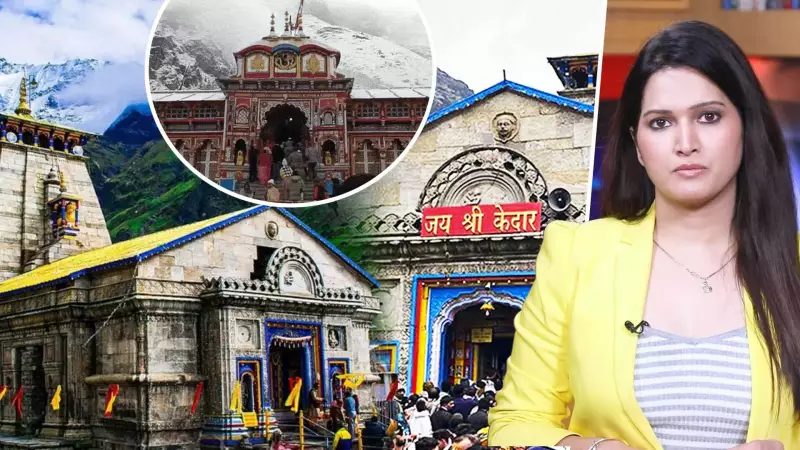
Char Dham Temples Kedarnath and Badrinath Weigh Historic Ban on Non-Hindu Entry
A significant and potentially historic shift is brewing at two of India's most revered pilgrimage sites. The temple committee overseeing the sacred Char Dham shrines is actively considering a proposal that could lead to the restriction of entry for non-Hindus at Kedarnath and Badrinath, along with approximately fifty other religious locations under its management. This move has ignited a fierce and complex debate across the nation, pitting concerns over religious sanctity against principles of public access and constitutional interpretation.
Committee's Stance: Protecting Sanctity, Not Promoting Exclusion
The temple authorities have clarified their position, emphasizing that the primary intent behind the proposal is to protect the spiritual sanctity and traditional practices of these ancient sites. They insist the focus is on devotion and reverence, rather than on identity or exclusion. The committee argues that maintaining the religious atmosphere is paramount for the millions of Hindu devotees who undertake the arduous pilgrimage each year.
Backed by references to long-standing traditions and interpretations of constitutional rights that protect religious institutions, the proposal is reportedly gaining substantial support within the committee's internal deliberations. Proponents believe that such measures are essential to preserve the unique spiritual character of the Char Dham circuit, which holds immense significance in Hindu theology.

Timing and Scope Trigger Wider National Debate
However, the timing and broad scope of this potential policy change have raised critical questions and triggered a much wider conversation. Critics and observers are engaging in a heated debate that touches on fundamental issues of religious freedom, equal access to public spaces of cultural importance, and the interpretation of India's constitutional framework.
The discussion has rapidly escalated beyond temple management, becoming a national flashpoint that examines the delicate balance between preserving religious traditions and upholding the secular and inclusive ideals enshrined in the nation's founding documents. Legal experts, religious scholars, and civil society groups are now weighing in on the implications of such a ban.
A Decision with Far-Reaching Implications
As the temple board prepares to make a final decision, the issue underscores deep-seated tensions in contemporary Indian society. The outcome at Kedarnath and Badrinath could set a precedent for other major religious sites across the country, influencing policies on access and worship for years to come.
The debate encompasses several key questions:
- How should ancient religious traditions be reconciled with modern constitutional values?
- What constitutes the protection of sanctity versus unlawful discrimination?
- What are the potential impacts on tourism, interfaith harmony, and India's global image?
With emotions running high and arguments being framed around both faith and law, the Char Dham committee's impending call is being watched closely, as it may redefine the boundaries of access to some of India's most iconic spiritual destinations.