

Congress Questions PM Modi's Silence on Trump's Nuclear War Prevention Claim
The Indian National Congress has launched a pointed criticism against Prime Minister Narendra Modi, questioning his silence regarding former US President Donald Trump's repeated assertion that he prevented a nuclear conflict between India and Pakistan. The political controversy erupted after Trump reiterated this claim on his Truth Social platform, prompting Congress leader Jairam Ramesh to highlight what he perceives as the Prime Minister's conspicuous lack of response.
Trump's Persistent Nuclear War Narrative
In a recent post on his Truth Social media platform, Donald Trump once again stated that he had personally intervened to stop a nuclear war from erupting between India and Pakistan during his presidency. This claim, which Trump has made multiple times in the past, continues to generate significant political and diplomatic discussion. The former US president's assertion suggests a critical moment of international tension that required his direct involvement to de-escalate.
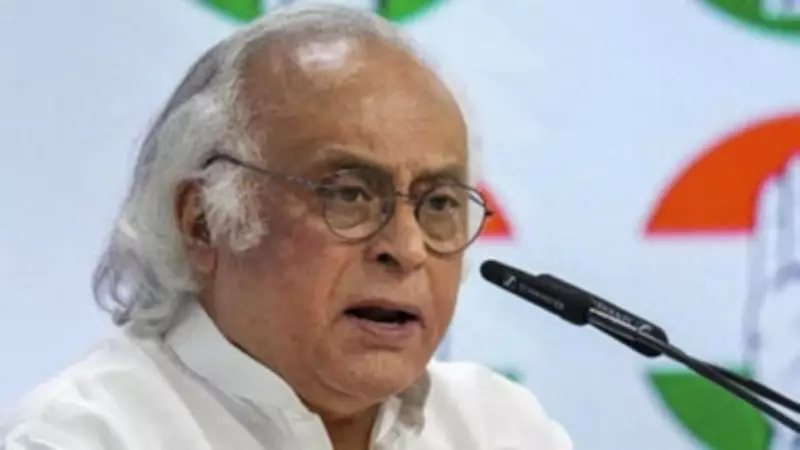
Congress leader Jairam Ramesh responded sharply to Trump's latest statement, drawing attention to what he described as Prime Minister Modi's "deafening silence" on the matter. Ramesh characterized Trump as "a good friend in Washington who is nearing a century," a reference that appears to combine diplomatic language with subtle political commentary about international relationships and longevity in politics.

Political Implications and Diplomatic Considerations
The Congress party's criticism raises important questions about how India's leadership addresses sensitive international claims that involve national security and regional stability. Trump's narrative about preventing nuclear war between South Asia's two nuclear-armed neighbors touches upon some of the most critical security concerns in the region. The absence of an official response from the Prime Minister's office has created a political vacuum that opposition parties are now seeking to fill with their own interpretations and criticisms.
Several political analysts suggest that the Congress party's statement reflects broader concerns about India's diplomatic positioning and communication strategy regarding sensitive international matters. The timing of this criticism is particularly noteworthy given the evolving geopolitical landscape and India's increasingly prominent role in global affairs.
Historical Context and Regional Dynamics
India and Pakistan have experienced numerous periods of heightened tension since both countries demonstrated nuclear capabilities in 1998. The relationship between the two South Asian neighbors has been marked by:
- Multiple military confrontations along the Line of Control
- Periodic diplomatic crises and breakdowns in communication
- Ongoing disputes over territorial claims in Kashmir
- Concerns about nuclear escalation during moments of crisis
Trump's claim, while unverified through official channels, touches upon the very real anxieties that exist within the international community about potential nuclear escalation in South Asia. The Congress party's decision to highlight Modi's silence on this matter suggests they believe it represents either a diplomatic misstep or a political vulnerability for the current administration.
The developing situation continues to unfold as political observers monitor whether the Prime Minister's office will eventually respond to Trump's claims or maintain its current position of non-commentary. The Congress party has clearly signaled its intention to keep this issue in the public discourse, potentially using it as part of their broader political strategy leading into future electoral contests.






