

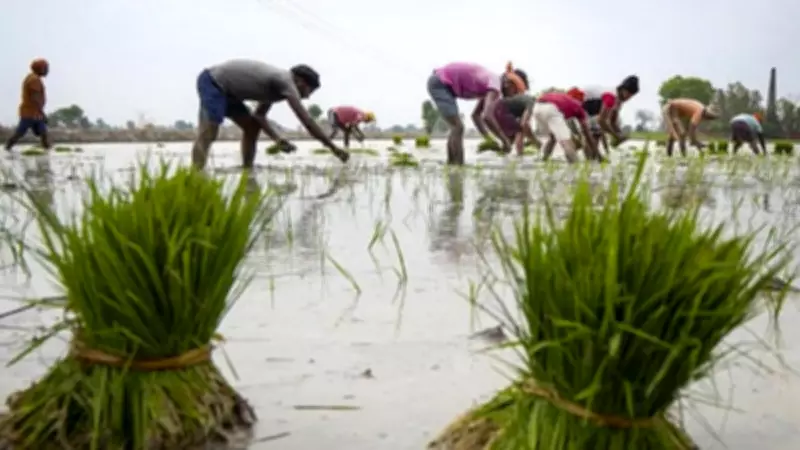
Agriculture Minister Shivraj Singh Chouhan on Tuesday warned that delayed monsoon rains could adversely affect the sowing of kharif crops this season. Speaking at a press conference, he identified 111 districts across India as the most vulnerable due to inadequate irrigation infrastructure.
Key Vulnerable Areas Identified
Chouhan stated that these 111 districts have less than 25 per cent irrigation coverage, making them highly dependent on timely rainfall. Among these, Maharashtra accounts for the highest number — 20 districts — facing acute risk. The minister emphasised that the government is closely monitoring the situation and preparing contingency plans.
Impact on Kharif Sowing
Kharif crops, including paddy, pulses, oilseeds, and cotton, are typically sown with the onset of the southwest monsoon in June. Delayed or deficient rains can lead to reduced acreage and lower yields, affecting farmers' incomes and food security. According to the India Meteorological Department, monsoon progress has been sluggish so far this year, with cumulative rainfall below normal in several regions.

Chouhan urged state governments to ensure timely distribution of seeds and other inputs to farmers. He also mentioned that the central government is ready to provide necessary support to mitigate the impact of any shortfall.
Government Preparedness
The minister highlighted that the Ministry of Agriculture has formed a task force to review the situation regularly. Contingency measures include promoting drought-tolerant crop varieties, ensuring availability of irrigation facilities, and providing financial assistance through existing schemes. Chouhan added, "We are in constant touch with state governments to address any challenges posed by the delayed monsoon."
Farmers in vulnerable districts are advised to adopt alternative cropping patterns and water-saving techniques. The government is also working on enhancing insurance coverage under the Pradhan Mantri Fasal Bima Yojana to protect farmers from potential losses.






