Delhi Court Grants Bail to Nine Youth Congress Workers in AI Summit Protest Case
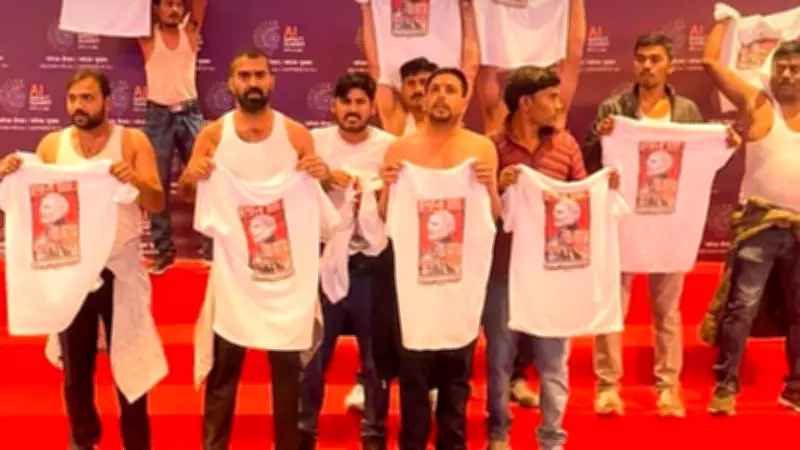
In a notable judicial development, a Delhi court has granted bail to nine Youth Congress workers who were arrested for their involvement in a protest at an artificial intelligence summit. The decision, delivered by Judicial Magistrate First Class Ravi on Sunday, comes amid heightened political tensions and symbolic critiques of government policies.
Court Order Details and Accused Individuals
Judicial Magistrate Ravi passed the bail order while hearing the pleas of the nine accused: Krishna Hari, Narshimha Yadav, Kundan Kumar Yadav, Ajay Kumar Singh, Jitendra Singh Yadav, Raja Gurjar, Ajay Kumar Vimal alias Bantu, Saurabh Singh, and Arbaz Khan. The court's ruling marks a pivotal moment in the case, which has drawn attention to the intersection of political activism and public demonstrations against technological initiatives.
The protest, which took place at an AI summit, was characterized by the Youth Congress as a symbolic critique of current political strategies and governance approaches. The workers were detained following the demonstration, leading to legal proceedings that have now seen this bail grant as a temporary relief measure.

Political and Legal Implications
This case underscores the ongoing friction between political groups and law enforcement in India, particularly in the context of public protests. The bail decision may influence future handling of similar incidents, where activists use demonstrations to voice dissent against government-led events like AI summits.
Legal experts suggest that the court's move could set a precedent for balancing freedom of expression with public order concerns. The Youth Congress has framed the protest as a legitimate form of political engagement, aimed at highlighting issues they believe are overlooked in national discourse.
Broader Context and Reactions
The AI summit protest case is part of a larger pattern of political activism in Delhi, where youth wings of major parties frequently organize demonstrations to critique policies. The bail grant is likely to be viewed as a victory for the Youth Congress, potentially energizing their base and encouraging further symbolic actions.
As the legal process continues, observers will monitor how this case impacts the dynamics between political protestors and judicial authorities. The decision reflects the court's role in navigating complex scenarios where political expression clashes with regulatory frameworks.