

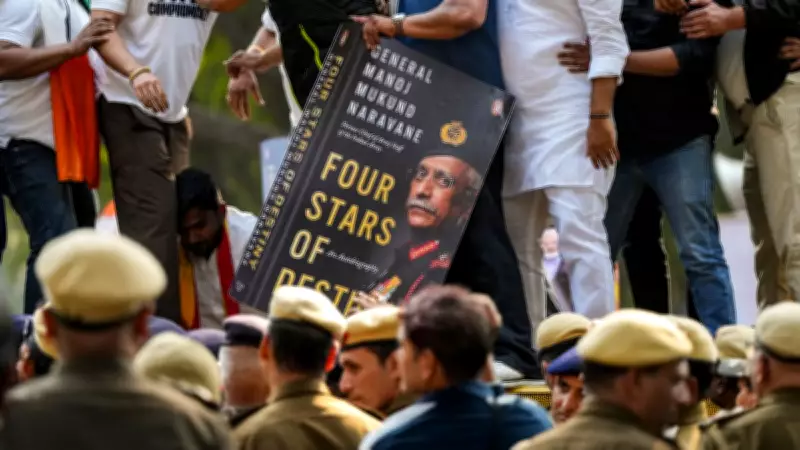
Delhi Police Alleges Deliberate Leak of Naravane Memoir Without MOD Clearance
In a significant development, Delhi Police has asserted that the memoir of former Indian Army Chief General MM Naravane was intentionally leaked to the public without obtaining the necessary clearance from the Ministry of Defence (MOD). This statement has ignited a fresh controversy surrounding the book, which reportedly contains sensitive information about military operations and strategic decisions.
Details of the Alleged Leak
The police claim that the leak was a deliberate act, potentially aimed at bypassing official protocols that require such publications to be vetted by the MOD to ensure national security is not compromised. According to sources, the book includes accounts of critical events during General Naravane's tenure, including the 2020 Galwan Valley clash with Chinese forces and other border tensions.
Key Points from the Police Statement:

- The memoir was leaked without prior approval from the Ministry of Defence, violating established procedures.
- This action raises concerns about the unauthorized disclosure of classified or sensitive military information.
- Investigations are ongoing to determine the motives behind the leak and identify those responsible.
Background and Implications
General MM Naravane served as the Chief of Army Staff from December 2019 to April 2022, a period marked by heightened geopolitical tensions and military engagements. His memoir, which was anticipated to provide insider perspectives on these events, has now become the center of a security breach allegation.
The lack of MOD clearance could have serious repercussions, as it might expose operational details that are typically kept confidential to protect national interests. This incident underscores the challenges in balancing transparency with security in military publications.
Reactions and Ongoing Investigations
While General Naravane has not publicly commented on the police claims, the MOD is reportedly reviewing the matter to assess any potential risks. Legal experts suggest that if the leak is proven, it could lead to charges under relevant laws governing official secrets and unauthorized disclosures.
The Delhi Police's involvement indicates that the case is being treated with high priority, given its implications for national security. Authorities are examining digital trails and other evidence to trace the source of the leak.
This controversy highlights the need for stringent protocols in handling sensitive military documents and the importance of adhering to clearance processes to prevent unauthorized information dissemination.






