In Punjab, religious institutions known as deras have long played a role in social and political life. As the state gears up for assembly elections, the relationship between political parties and deras has come under renewed scrutiny. While some argue that dera endorsements can sway voters, others contend that the electorate is increasingly independent and issue-driven.
Historical Role of Deras in Punjab Politics
Deras have existed in Punjab for centuries, representing diverse spiritual traditions and serving as centers of faith and social service. Over time, many have evolved into political powerhouses, particularly in the Doaba, Malwa, and Majha regions. According to Nirmaljit Singh Chatrath, a contributor to the discussion, deras have a strong network of followers, and their social and religious activities give them influence beyond their immediate establishments. This makes them important for political parties seeking to connect with specific voter segments.
JP Singh notes that deras often reflect the strength and aspirations of particular communities, but warns that when dera politics or ideologies take precedence over unity, brotherhood, and democratic values, society may suffer. He emphasizes that deras can play a positive role in promoting humanitarian values and cautioning people against identity-based traps.

Political Parties and Dera Courtship
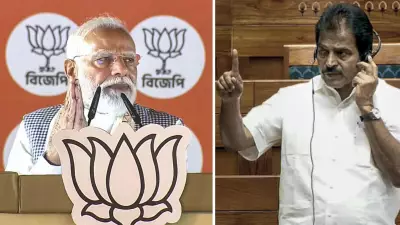
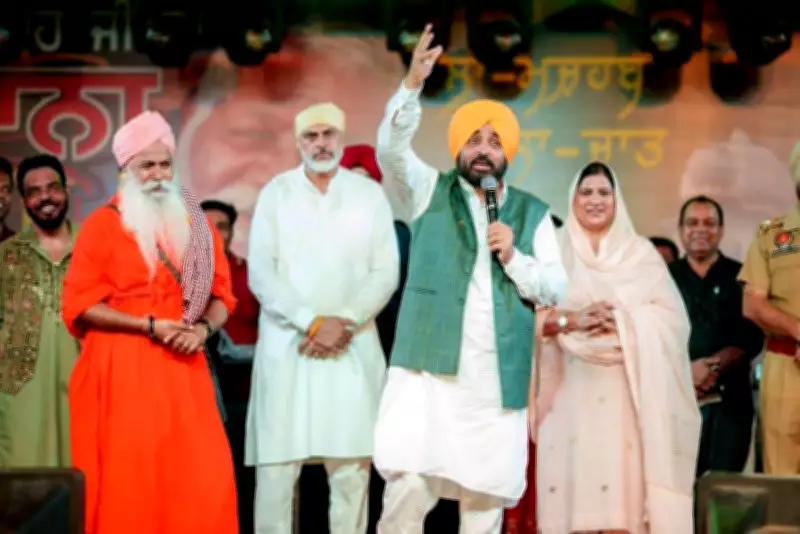
In recent months, political leaders have made high-profile visits to deras. Prime Minister Narendra Modi visited Dera Ballan, Union Home Minister Amit Shah met the Radha Soami dera head, and Chief Minister Bhagwant Mann visited Dera Lal Badshah in Nakodar. Sumitra Gupta observes that such visits are seen as attempts to garner electoral support, especially with elections only months away.
Rajat Kumar Mohindru adds that political parties spare no effort in cultivating close ties with these institutions, sometimes announcing welfare measures aimed at attracting their followers. However, dera chiefs often claim they do not intervene in electoral matters and leave voters free to choose. Yet, as Shivam Sharma points out, when votes are counted, the indirect influence of deras often becomes visible.
Limits of Dera Influence
Despite the perception of dera power, many experts caution against overstating their impact. Simrandeep Singh argues that dera influence is not always easy to measure. Voters may respond differently depending on public issues and political ideologies, and the importance of deras can change over time. Anamika notes that voters do not always vote according to dera directions; local issues, governance, and performance of political parties also play important roles.
Jasdeep Singh highlights that while deras act as intermediaries between people and government, raising concerns of large sections, this can be a double-edged sword. Groups without influential representation may not voice their concerns as effectively. Moreover, Jagdish Chander warns that the true fabric of healthy political culture in Punjab has been destroyed by dera culture and religion-based politics.
Voter Awareness and Democratic Values
Despite the political maneuvering, today's electorate is far more informed and politically aware than before. Voters are closely observing political moves and are increasingly guided by candidate credentials, party performance, and governance issues rather than solely by religious endorsements. Dr. Rakesh Mohan Sharma laments that issue-based politics stands eclipsed by strict adherence to dera dictates, but others like Nirmaljit Singh Chatrath believe voters can surprise parties and move beyond traditional influences when another choice better serves their interests.
Democracy is strengthened when all stakeholders respect constitutional values and electoral laws. As Sumitra Gupta puts it, deras must shoulder their delicate responsibility with caution — boldly placing issues and demands before politicians while ensuring they do not get ensnared in narratives that may harm the people they represent.