Election Commission Engages West Bengal Political Leaders in Key Pre-Poll Consultation
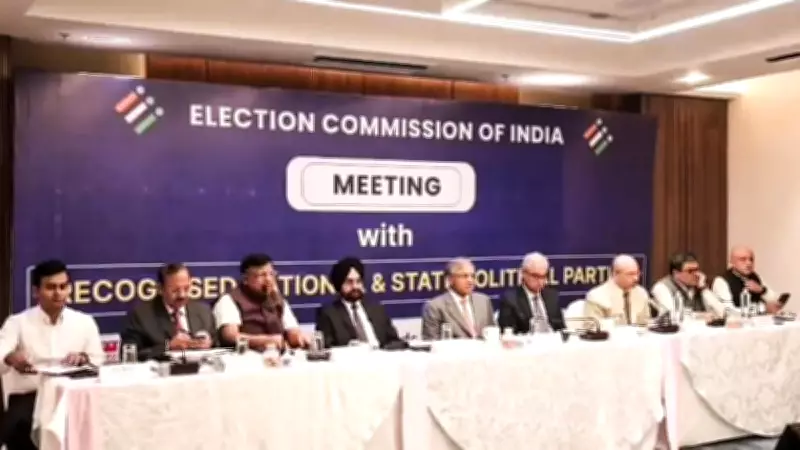
The Election Commission of India (ECI) held a significant meeting with representatives from various political parties in West Bengal on March 9, 2026. The session, aimed at streamlining the electoral process, saw discussions centered on optimizing polling schedules, with a strong emphasis on limiting the voting to a maximum of two phases.
High-Level Delegation and Diverse Political Participation
Chief Election Commissioner Gyanesh Kumar led the high-level delegation, which included Election Commissioners Sukhbir Singh Sandhu and Vivek Joshi, as well as West Bengal Chief Electoral Officer Manoj Agarwal. The meeting took place at a hotel in New Town, located near Kolkata, providing a neutral venue for the crucial dialogue.
Representatives from a wide array of political parties attended, ensuring a comprehensive discussion. Key participants included the Trinamool Congress (TMC), Bharatiya Janata Party (BJP), Communist Party of India (Marxist) or CPI(M), Indian National Congress, Aam Aadmi Party (AAP), National People's Party (NPP), and Forward Bloc, among others. This diverse representation highlighted the inclusive approach of the Election Commission in addressing electoral concerns across the political spectrum.

Focus on Two-Phase Polling and Electoral Efficiency
A primary agenda item was the proposal for conducting elections in West Bengal in a maximum of two phases. This initiative seeks to enhance logistical efficiency, reduce administrative burdens, and ensure a smoother voting experience for citizens. By minimizing the number of polling phases, the Election Commission aims to streamline security arrangements and resource allocation, potentially leading to a more organized and secure electoral process.
The discussions likely covered various aspects of election management, including voter registration, polling station setup, and the deployment of security forces. The emphasis on a two-phase model reflects a strategic move to balance operational feasibility with the need for robust electoral integrity in a politically vibrant state like West Bengal.
Implications for West Bengal's Political Landscape
This meeting underscores the Election Commission's proactive stance in engaging with political stakeholders ahead of elections. By soliciting input from parties across the ideological divide, the ECI demonstrates its commitment to transparency and collaborative governance. The push for a condensed polling schedule could influence campaign strategies and voter mobilization efforts, potentially shaping the electoral dynamics in West Bengal.
As the state prepares for upcoming elections, such consultations are vital for addressing potential challenges and fostering a conducive environment for free and fair polls. The outcomes of this meeting may pave the way for finalized polling dates and detailed guidelines, which will be closely monitored by political analysts and the public alike.