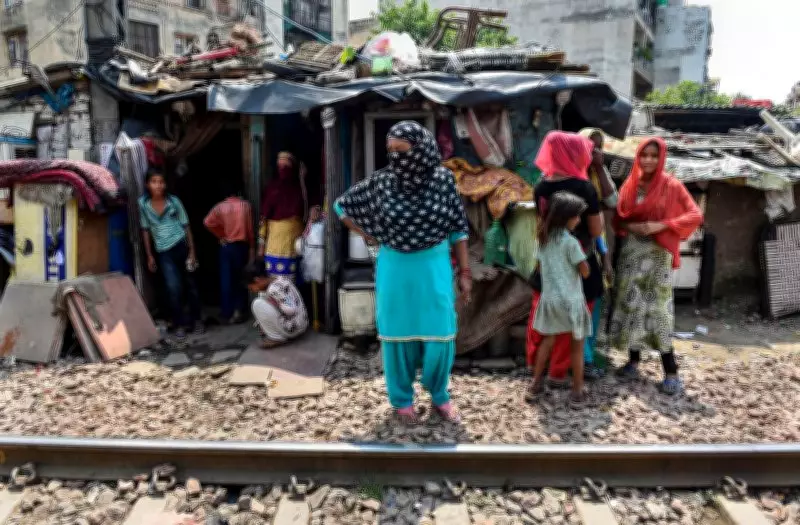
Delhi Government Sends Eviction Notice to Three Slum Clusters Near PM's Residence
The Delhi government has officially issued eviction notices to three slum clusters situated in close proximity to the Prime Minister's official residence in the national capital. This action is part of a broader initiative aimed at addressing security concerns and promoting urban development in the area. The notices were dispatched to residents of these clusters, informing them of the impending eviction and the reasons behind this significant decision.
Security and Urban Development Concerns Cited
Authorities have emphasized that the primary motivations for this eviction drive are rooted in heightened security protocols and the need for urban redevelopment. The slum clusters, located near the Prime Minister's residence, have been identified as potential security risks due to their proximity to a high-security zone. Additionally, the government aims to undertake urban development projects to enhance the infrastructure and aesthetics of the region, aligning with broader city planning goals.
The eviction notices outline the legal basis for this action, referencing relevant urban development and security regulations. Residents have been given a specified period to vacate the premises, with the government indicating that alternative arrangements or rehabilitation measures may be considered as part of the process. However, specific details regarding relocation or compensation have not been fully disclosed, leading to concerns among the affected communities.

Impact on Local Communities and Reactions
The issuance of these eviction notices has sparked reactions from various stakeholders, including local residents, activists, and political groups. Many residents of the slum clusters express anxiety over their future, citing uncertainties about housing and livelihood. Community leaders have called for transparent dialogue and fair treatment, urging the government to ensure that rehabilitation plans are implemented effectively to minimize disruption.
Activists and non-governmental organizations have raised questions about the timing and necessity of the eviction, arguing that it could exacerbate housing shortages and social inequalities in Delhi. They advocate for a more inclusive approach that balances security needs with the rights of vulnerable populations. Political responses have been mixed, with some parties supporting the move as essential for national security, while others criticize it as insensitive to the plight of the poor.
Broader Context and Future Implications
This eviction notice is part of a larger trend in Delhi, where slum clearance and urban redevelopment projects have been ongoing to modernize the city and address security challenges. Similar actions have been taken in other parts of the capital, often leading to debates over urban planning, human rights, and social justice. The current case near the Prime Minister's residence highlights the complex interplay between security imperatives and urban development priorities.
Looking ahead, the implementation of this eviction will be closely monitored by various groups, with potential implications for future policies on slum rehabilitation and urban governance in Delhi. The government's handling of the situation, including any rehabilitation efforts, could set a precedent for how similar cases are managed in the future, affecting thousands of residents across the city.