

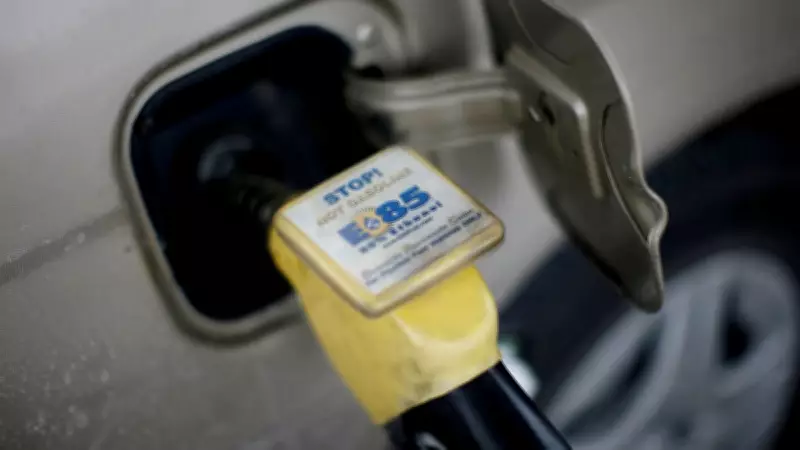
The Union government has firmly dismissed concerns that using E20 petrol—a blend containing 20% ethanol—could invalidate vehicle insurance policies, calling such fears unfounded and clarifying that the practice is globally accepted. In a statement issued on June 24, 2026, the government emphasized that ethanol blending is a standard procedure in many countries and does not affect insurance coverage.
Government Clarifies Insurance Impact
Responding to widespread myths, the government said, “E20 fuel is a globally accepted practice, and there is no provision in insurance policies that would void coverage due to the use of ethanol-blended petrol.” The clarification came after reports suggested that some insurers might deny claims if vehicles were found using E20 fuel. The government assured vehicle owners that their insurance remains valid regardless of the ethanol blend used.
Forex Savings and Energy Security
The ethanol blending programme has yielded significant economic benefits. According to official data, India has saved over Rs 1.4 lakh crore in foreign exchange by reducing crude oil imports since the programme’s inception. This reduction in import dependence strengthens the country’s energy security and supports the domestic agricultural sector by creating demand for ethanol produced from sugarcane and other feedstock.

“The blending programme not only helps in cutting down pollution but also reduces our reliance on imported oil,” a government spokesperson said. The savings are expected to grow as the target of 20% ethanol blending in petrol by 2025-26 is achieved across the country.
Global Context and Vehicle Compatibility
Several countries, including Brazil and the United States, have successfully implemented high-ethanol blends for decades. Brazil uses up to 27% ethanol in its petrol, while the US commonly uses E10 and E15 blends. India’s move to E20 aligns with these international standards, and automakers have been directed to produce vehicles compatible with the blend.
The government also noted that modern vehicles manufactured after 2023 are designed to run on E20 fuel without any modifications. For older vehicles, the government has advised using E10 (10% ethanol) as a safe alternative until they are phased out.
Addressing Public Concerns
To further allay public fears, the Ministry of Petroleum and Natural Gas has launched an awareness campaign highlighting the benefits of ethanol blending. The campaign includes informational materials distributed at fuel stations and through digital platforms. The government has also urged consumers to report any instances where insurers attempt to deny claims based on fuel type, promising strict action against such practices.
“We want to make it clear that the use of E20 petrol is completely safe and does not void insurance. Any contrary claims are baseless,” the statement added.






