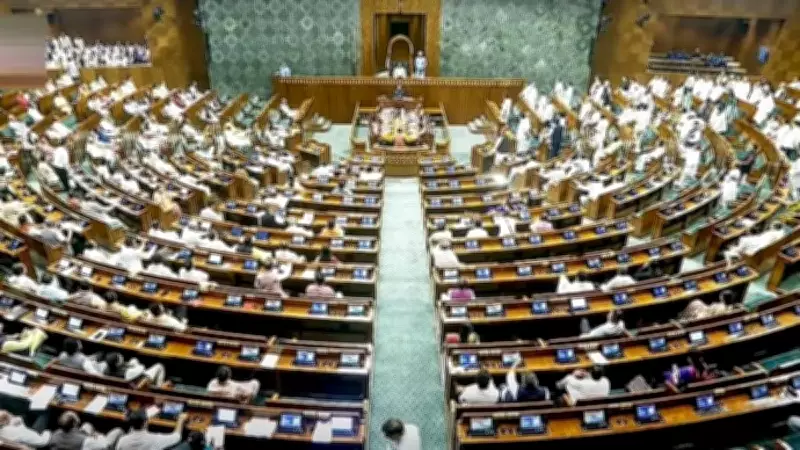
JPC to Retain Controversial Rule on Arrest of Top Leaders
The Joint Parliamentary Committee (JPC) examining the proposed law on prevention of corruption is likely to retain a provision that mandates the removal of a Prime Minister or Chief Minister from office upon arrest in serious criminal cases. The rule has sparked debate over its potential impact on political stability and federalism.
According to sources, the JPC is expected to submit its report on July 17, 2026, after months of deliberation. The provision, part of the Prevention of Corruption (Amendment) Bill, 2024, states that if a sitting PM or CM is arrested for an offense punishable with imprisonment of at least two years, they shall be deemed to have vacated their office. The committee is likely to recommend retaining this clause, albeit with some modifications to address concerns.
Details of the Provision and Its Implications
The rule applies to serious crimes such as corruption, bribery, and criminal breach of trust. Once arrested, the leader would be immediately removed, and a successor would be appointed as per constitutional procedures. The provision aims to ensure accountability and prevent misuse of power, but critics argue it could be weaponized by political rivals.

Opposition members on the JPC have expressed concerns that the rule could destabilize governments and undermine the mandate of elected leaders. However, the committee's ruling party members maintain that it is necessary to combat corruption at the highest levels. The final report is expected to include a dissenting note from opposition members.
Timeline and Next Steps
The JPC has been studying the bill since its introduction in Parliament last year. The report on July 17 will contain the committee's recommendations, which will then be debated in both houses. The government aims to pass the bill in the monsoon session, but the opposition has threatened to stall proceedings if the provision is retained.
Legal experts have noted that the provision could face constitutional challenges, as it potentially conflicts with the principle of separation of powers and the immunity granted to legislators under Article 105 of the Constitution. The Supreme Court may be called upon to interpret the law if enacted.
Political analysts say the rule could have far-reaching consequences, especially in states where coalition governments are fragile. The provision might also discourage frivolous arrests but could be misused by central agencies against state leaders. The JPC's decision to retain the rule indicates the government's intent to push through the anti-corruption measure despite opposition.