Kerala's Women Safety Paradox: Pink Initiatives Expand But Crimes Rise Ahead of Elections
As Kerala heads towards another assembly election cycle, the critical issue of women's safety has forcefully returned to the political and governance spotlight. This recurring priority faces renewed scrutiny amid concerning crime data that questions the effectiveness of implemented measures.
Visible Policing vs. Rising Crime Statistics
The state has significantly expanded visible policing initiatives in recent years, most notably through the Pink Patrol program. However, official data reveals a troubling contradiction: reported cases of eve teasing have more than doubled from 442 in 2020 to 944 in 2025. This sharp increase raises fundamental questions about whether the comprehensive preventive safety framework promised by the government has genuinely materialized on the ground.
In 2021, Chief Minister Pinarayi Vijayan informed the legislative assembly that Kerala would transition beyond reactive policing to establish a structured preventive mechanism specifically addressing violence against women. The envisioned model focused on early intervention through multiple channels including immediate police response to distress signals—even missed calls—and periodic outreach by women police personnel to households to identify potential risks before they escalated into full-blown crimes.

The stated aim was revolutionary: to strengthen community-linked policing and extend the state's role from complaint-based response to proactive engagement in crime prevention. Yet five years later, it remains unclear whether this philosophical shift has translated into consistent, widespread preventive engagement across Kerala's diverse regions.
Implementation Gaps in Preventive Framework
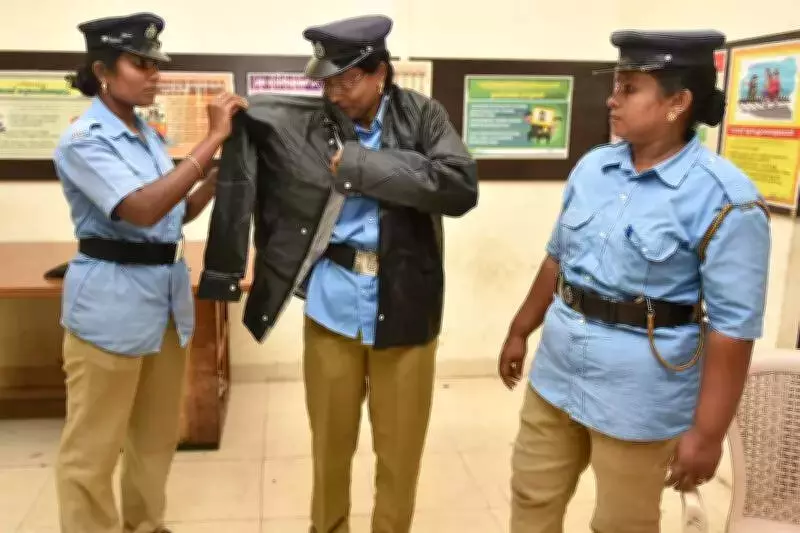
Police officials maintain that several Pink initiatives, including Pink Janamaithri Beat and Pink Patrol, have been systematically rolled out across districts. However, field-level inputs suggest that key preventive components outlined in 2021—particularly routine household outreach and structured rapid-response systems—have not evolved into uniformly institutionalized practices across all regions.
Women police personnel associated with Pink units candidly describe operational pressures that hinder their ability to focus on proactive outreach. "People often think we deal only with crimes involving women, but the Pink Police unit functions round the clock," explained a woman police officer assigned to a Pink Police unit. "We respond to a range of emergencies from assisting accident victims to handling public disputes in addition to directives from the control room. Staff shortage, vehicle breakdowns and long duty hours make sustained preventive outreach difficult."
Broader Crime Trends and Leadership Representation
State Crime Records Bureau data reveals broader concerning trends beyond eve teasing. Crimes against children rose from 3,941 in 2020 to 5,903 in 2023, dipped slightly in 2024, then climbed again to 5,537 in 2025. Meanwhile, sexual offences under Sections 4 and 6 of the Protection of Children from Sexual Offences (POCSO) Act increased steadily from 1,243 in 2020 to 2,242 in 2025, emerging as a major area of concern.
Former Women's Commission member Shahida Kamal emphasized that the effectiveness of women's safety initiatives is intrinsically linked to representation within decision-making structures. "In most districts, women are still underrepresented in senior leadership positions such as inspectors and assistant commissioners of police," she noted. "When policy decisions are taken at higher levels, the absence of women in those spaces can influence how priorities are set and implemented."
Kamal elaborated further: "Safety is not only about patrols or response systems. It is also about how institutions understand risk, vulnerability and prevention. When leadership remains male-dominated, operational focus often tilts toward enforcement rather than early intervention or support-based mechanisms. That's why the government should prioritize promoting women officials to higher ranks."

She added that frontline women officers frequently face additional workload pressures that directly affect their capacity for preventive outreach. "Many women officers handle extended duties beyond their core assignments. Without adequate institutional support and representation at leadership levels, preventive policing—which requires dedicated time and sustained engagement—becomes difficult to execute consistently," Kamal concluded.
Election Context and Future Implications
As Kerala prepares for elections, this disconnect between policy promises and ground realities regarding women's safety has become a significant electoral issue. The data suggests that while visible policing has expanded, the deeper structural changes required for effective preventive policing—including adequate staffing, institutional support, and gender-balanced leadership—remain incomplete.
The coming electoral period will likely see intensified debate about how to bridge this implementation gap and transform Kerala's women's safety initiatives from symbolic gestures into genuinely effective protective systems that reduce crimes rather than merely responding to them after they occur.