

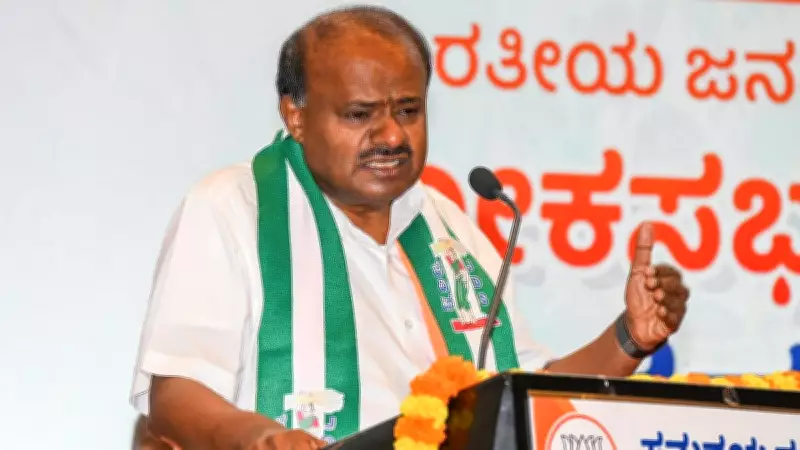
Kumaraswamy Highlights Evacuation Hurdles Amid West Asia Conflict
Karnataka political leader H D Kumaraswamy has emphasized the significant challenges in evacuating Indian nationals stranded in West Asia, asserting that such efforts remain difficult until the ongoing military conflict in the region comes to an end. Speaking to reporters in Mysuru city, Kumaraswamy directly addressed the mounting anxiety and distress experienced by families whose relatives are currently trapped following recent escalations in hostilities between nations like Iran and Israel.
Families' Concerns Addressed in Public Statement
During his interaction with the media, Kumaraswamy acknowledged the deep-seated worries of affected families, who are desperately seeking the safe return of their loved ones. He explained that the volatile and dangerous conditions created by the war make evacuation operations complex and risky, requiring careful coordination and stable circumstances that are currently lacking. This statement comes as part of broader discussions on how to manage the crisis and provide support to those impacted by the geopolitical tensions.
Context of Regional Military Escalations
The backdrop to Kumaraswamy's remarks involves recent military actions and heightened tensions in West Asia, a region that has seen sporadic conflicts and diplomatic strains. These developments have left many foreign nationals, including Indians, in precarious situations, with limited options for safe passage out of conflict zones. Kumaraswamy's comments underscore the urgent need for diplomatic resolutions and international cooperation to facilitate evacuations, while also highlighting the limitations faced by authorities in such turbulent times.

Implications for Karnataka and National Response
As a prominent figure from Karnataka, Kumaraswamy's insights carry weight in state and national dialogues regarding foreign policy and citizen safety abroad. His remarks may prompt further actions from government agencies to explore alternative strategies or enhance communication with affected families. The situation calls for a multifaceted approach, combining diplomatic efforts with logistical planning, to ensure the welfare of stranded individuals once conditions permit.






